Black seed oil, pressed from the seeds of Nigella sativa, has a long history in traditional medicine and has drawn scientific interest for its main active compound, thymoquinone. Because thymoquinone shows antioxidant and anti-inflammatory activity in laboratory studies, researchers have started asking whether it could play a supportive role in autoimmune and inflammatory joint conditions like rheumatoid arthritis (RA).
This article looks specifically at what’s known about black seed oil and rheumatoid arthritis, an autoimmune disease where the body’s immune system attacks the joints. The goal here is honesty over hype: some early research is promising, but it is far from proof that black seed oil treats or replaces standard RA care. This is informational content, not medical advice, and RA should always be managed by a physician or rheumatologist.
Key Takeaways
- Rheumatoid arthritis is an autoimmune joint disease with established medical treatments; black seed oil is not a substitute for prescribed RA therapy.
- Thymoquinone, the main bioactive compound in black seed oil, is proposed to influence inflammatory and immune pathways relevant to RA, based on current reports [1].
- The evidence connecting black seed oil to RA outcomes in humans is still early-stage and limited, not backed by large, long-term clinical trials.
- Black seed oil can interact with anticoagulants, antiplatelets, and blood-pressure medications, which is especially relevant for people managing autoimmune disease alongside other conditions.
- Anyone considering black seed oil for RA should talk to their rheumatologist or physician first, particularly if on DMARDs, biologics, blood thinners, or blood-pressure medication.
What Is Rheumatoid Arthritis, and Why Look at Black Seed Oil?
Rheumatoid arthritis is a chronic autoimmune condition in which the immune system mistakenly attacks the synovial lining of joints, causing pain, swelling, stiffness, and over time, joint damage. Standard treatment relies on disease-modifying antirheumatic drugs (DMARDs), biologics, and anti-inflammatory medications, which are effective but can carry side effects and don’t work equally well for everyone.
Because thymoquinone and other bioactive compounds in Nigella sativa have been studied for immunomodulatory and anti-inflammatory properties, researchers have proposed that black seed oil might be useful as a complementary approach in RA, not as a replacement for prescribed treatment, but as something studied alongside it [1].

The Proposed Mechanism: How Thymoquinone May Affect Inflammation
The primary bioactive compound in black seed oil, thymoquinone, is proposed to influence inflammatory and immune pathways involved in autoimmune joint disease. Reports describe its potential to modulate immune cell activity and reduce markers associated with the inflammatory cascade that drives joint damage in RA [1].
It’s important to be precise about what this means: these are proposed and studied mechanisms based on current reports, not settled facts about how black seed oil performs in the human body long-term. Much of the underlying mechanistic work on thymoquinone comes from a mix of laboratory, animal, and limited clinical research, and the reporting on rheumatoid arthritis specifically reflects current, still-developing science [1].
What Current Reports Say About Nigella Sativa and RA Therapy
A 2021 review focused specifically on the role of bioactive compounds in Nigella sativa in rheumatoid arthritis therapy, compiling current reports on this connection [1]. This kind of review is valuable because it consolidates what’s been studied so far, but it is also a signal that the evidence base is still in an early, exploratory stage rather than a mature body of large-scale clinical trials.

Readers should understand the difference between a review of current reports and a large randomized controlled trial. A review can highlight promising directions and proposed mechanisms, but it does not by itself establish that black seed oil is an effective treatment for RA in the general population [1].
Limitations of the Current Evidence
The honest picture here is that human evidence on black seed oil for autoimmune conditions, including rheumatoid arthritis, remains limited. Much of the available research consists of small trials, short study durations, or mechanistic and reviewed reports rather than large, long-term, placebo-controlled clinical trials [1].

This means several important questions are not yet well answered: optimal dosing for RA specifically, long-term safety with extended use, how black seed oil interacts with standard DMARDs or biologics over time, and whether benefits seen in early research translate into meaningful, lasting improvements in joint symptoms or disease progression. Until larger and longer trials exist, black seed oil should be viewed as an area of ongoing research interest rather than an established RA therapy.
Safety Considerations for People With Autoimmune Conditions
Black seed oil is not evaluated by the FDA for safety or efficacy, which means quality, purity, and concentration can vary significantly between products. This matters especially for people with autoimmune disease who are often also managing multiple medications.
Black seed oil can potentiate the effects of anticoagulants and antiplatelet medications, as well as blood-pressure medications, increasing the risk of bleeding or excessive blood-pressure lowering when combined. People with RA who take blood thinners, are on antihypertensive therapy, or manage diabetes with medication should not add black seed oil without first discussing it with their prescribing physician. It should be avoided or used only under medical supervision during pregnancy, before surgery, or when combined with diabetes or blood-pressure drugs.
🛒 Where to Buy Black Seed Oil (Nigella sativa)
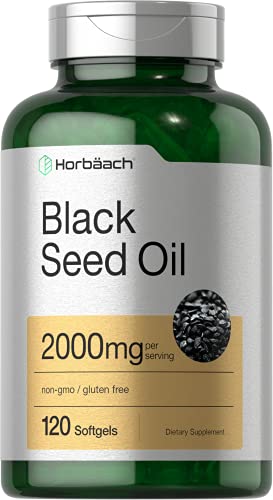
- CleanseParasites Intra-Cellular Superfood Editor’s Pick
Contains black cumin seed alongside sea moss, bladderwrack, and other superfood ingredients. - Amazing Herbs Premium Black Seed Oil
liquid, 8 fl oz glass bottle — cold-pressed black seed (Nigella sativa) oil - Sweet Sunnah Premium Black Seed Oil
liquid, 16 oz bottle — cold-pressed Nigella sativa, larger-format liquid option - Heritage Store Organic Black Seed Oil
liquid, 8 fl oz — Organic, cold-pressed - Amazing Herbs Premium Black Seed Oil Softgels
softgels, 1250 mg, 60 count — capsule form of the same cold-pressed oil
As an Amazon Associate we earn from qualifying purchases. Quality varies widely — always choose a product with a published third-party test (COA) before buying.
A Note on the Evidence
The human evidence connecting black seed oil to rheumatoid arthritis outcomes is still limited and early-stage; this article is informational, not medical advice, and should not replace guidance from a rheumatologist or physician, especially given potential interactions with blood thinners, blood-pressure medication, and diabetes drugs.
Frequently Asked Questions
Can black seed oil cure or replace rheumatoid arthritis medication?
No. There is no evidence that black seed oil cures rheumatoid arthritis or should replace DMARDs, biologics, or other prescribed RA treatments. Current reports discuss it as a compound of research interest with proposed anti-inflammatory mechanisms, not as an established replacement therapy [1].
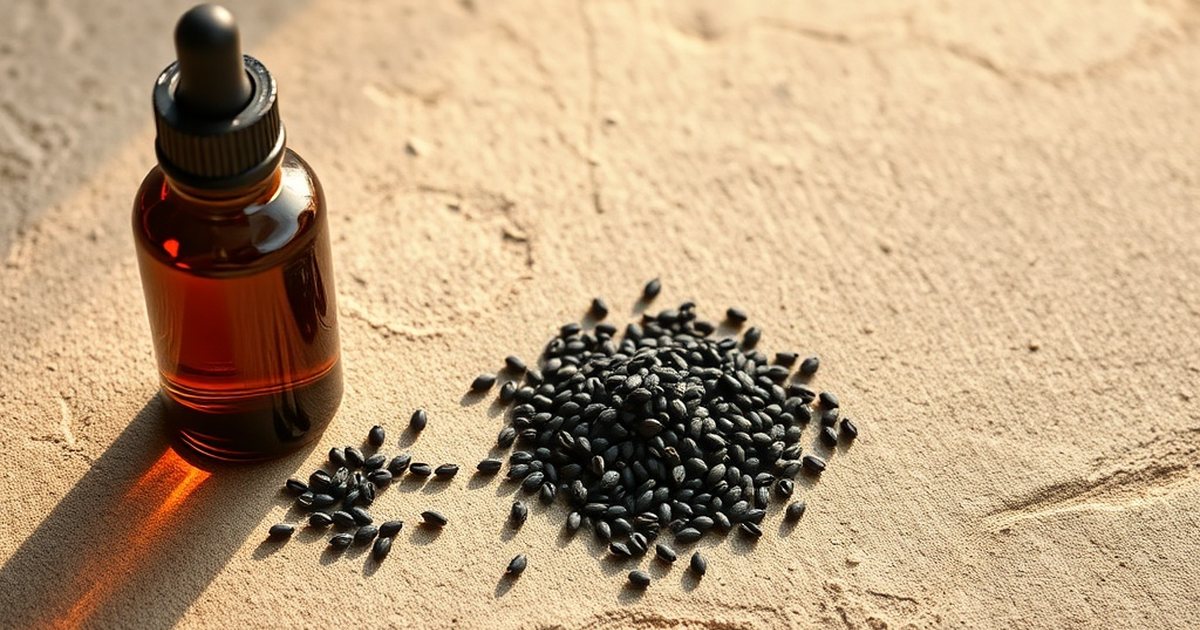
What compound in black seed oil is linked to RA research?
Thymoquinone is the primary bioactive compound studied in relation to rheumatoid arthritis, proposed to act through antioxidant, anti-inflammatory, and immunomodulatory pathways [1].
Is it safe to take black seed oil with RA medications?
This depends heavily on which medications are involved. Black seed oil can potentiate anticoagulants, antiplatelets, and blood-pressure medications, so anyone on these, or on DMARDs or biologics for RA, should consult their doctor before adding it.
How strong is the research on black seed oil for rheumatoid arthritis?
The research is still in an early, developing stage. A 2021 review compiled current reports on Nigella sativa’s bioactive compounds in RA therapy, but this reflects an emerging area of study rather than large-scale confirmed clinical results [1].
Who should avoid black seed oil if they have an autoimmune condition?
People who are pregnant, preparing for surgery, or taking blood thinners, blood-pressure medication, or diabetes medication should avoid black seed oil or use it only under direct medical supervision, given its potential to interact with these drugs.
Is black seed oil regulated or FDA-approved for RA?
No. Black seed oil is not evaluated by the FDA for safety or efficacy for any condition, including rheumatoid arthritis. Product quality and concentration can vary, which is an added reason to involve a physician before use.
References
- Zielińska M et al. The Role of Bioactive Compounds of Nigella sativa in Rheumatoid Arthritis Therapy-Current Reports. Nutrients (2021). PMID 34684370
These statements have not been evaluated by the Food and Drug Administration. This information is not intended to diagnose, treat, cure, or prevent any disease. Content is for informational purposes only and is not medical advice; consult a qualified healthcare provider before starting any supplement. As an Amazon Associate we earn from qualifying purchases.