Black seed oil, pressed from Nigella sativa seeds, is a popular supplement taken for its purported anti-inflammatory and antioxidant effects, largely attributed to its main active compound, thymoquinone. Many people take it daily without a second thought, alongside other supplements and medications.
But if you have surgery scheduled, black seed oil is one of the supplements anesthesiologists and surgeons commonly ask patients to stop in advance. This article explains the reasoning behind that recommendation, what is and isn’t well established in the evidence, and how to have that conversation with your care team.
Key Takeaways
- Black seed oil may affect platelet function and blood clotting, which is a concern before any surgical procedure.
- It may also influence blood pressure, adding an unpredictable variable during anesthesia.
- Risk is highest when combined with anticoagulants, antiplatelet drugs, or blood pressure medications.
- Standard practice is to stop black seed oil roughly one to two weeks before surgery, confirmed with your surgical team.
- Always disclose all supplements, not just prescription medications, at your pre-operative appointment.
Why Supplements Matter Before Surgery
Before any operation, your surgical team wants a clear picture of everything in your system that could affect bleeding, blood pressure[1], blood sugar[2], or how anesthesia drugs are processed. Herbal supplements are often overlooked in this conversation because people don’t think of them as ‘real’ medications, but many have measurable pharmacological effects.
Black seed oil is a good example of a supplement that sits in a gray zone: it’s sold over the counter and marketed as a wellness product, yet it has documented effects on platelet function and blood pressure regulation that are directly relevant to surgical safety.
The Bleeding Risk Concern
The primary concern with black seed oil around surgery is its potential to affect how blood clots. Compounds in Nigella sativa, including thymoquinone, have been studied for effects on platelet aggregation and antioxidant pathways that can influence clotting cascades[3][4].

This matters most when black seed oil is combined with medications that already increase bleeding risk, such as anticoagulants (like warfarin) or antiplatelet drugs (like aspirin or clopidogrel). Even without those medications, added bleeding tendency is not something a surgical team wants to discover mid-procedure.
Because the exact magnitude of this effect in humans undergoing surgery hasn’t been mapped out in large clinical trials, the standard approach is caution rather than reassurance: stop the supplement rather than assume it’s negligible.
Blood Pressure and Anesthesia Interactions
Black seed oil has also been studied for effects on blood pressure regulation[1]. Since anesthesia itself causes blood pressure fluctuations, and anesthesiologists actively manage blood pressure throughout a procedure, an unaccounted-for supplement effect adds a variable that’s hard to predict or control in the operating room.
If you take prescription blood pressure medication, combining it with a supplement that may have its own blood-pressure-lowering activity increases the chance of an unpredictable drop, particularly under anesthesia when your body’s compensatory responses are already blunted.

Why 'Stop Before Surgery' Is the Standard Advice
Surgical guidance for herbal supplements generally follows a conservative pattern[5][6]: if a supplement has plausible mechanisms for bleeding or blood pressure effects, and there isn’t robust human safety data specific to the perioperative period, the default recommendation is to discontinue it in advance, typically one to two weeks before a scheduled procedure, though exact timing should come from your surgeon or anesthesiologist based on your specific case.
This isn’t a statement that black seed oil is dangerous in everyday use. It reflects how surgical risk management works: the operating room is not the place to test an unquantified interaction, so anything with a plausible bleeding or cardiovascular signal gets paused.
What This Means If You're Having Surgery
If you take black seed oil regularly, tell your surgeon and anesthesiologist at your pre-operative visit, even if you consider it a minor ‘health’ habit rather than a medication. Bring the product or its label so they know exactly what you’re taking and at what dose.
Ask specifically when to stop it before your procedure and when it’s safe to resume afterward. Don’t restart it on your own timeline without checking, particularly if you’re also on blood thinners or blood pressure medication, since resuming too early can reintroduce the same risks post-operatively during your recovery window.
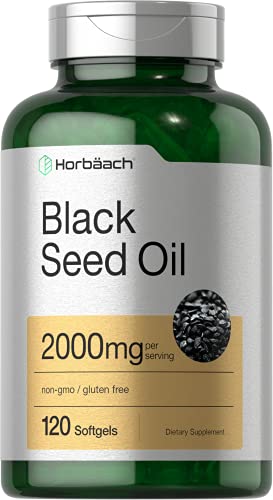
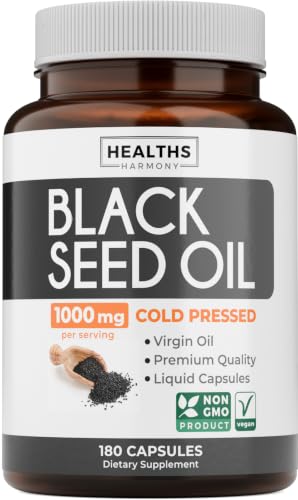
🛒 Where to Buy Black Seed Oil (Nigella sativa)
- CleanseParasites Intra-Cellular Superfood Editor’s Pick
Contains black cumin seed alongside sea moss, bladderwrack, and other superfood ingredients. - Amazing Herbs Premium Black Seed Oil
liquid, 8 fl oz glass bottle — cold-pressed black seed (Nigella sativa) oil - Sweet Sunnah Premium Black Seed Oil
liquid, 16 oz bottle — cold-pressed Nigella sativa, larger-format liquid option - Heritage Store Organic Black Seed Oil
liquid, 8 fl oz — Organic, cold-pressed - Amazing Herbs Premium Black Seed Oil Softgels
softgels, 1250 mg, 60 count — capsule form of the same cold-pressed oil
As an Amazon Associate we earn from qualifying purchases. Quality varies widely — always choose a product with a published third-party test (COA) before buying.
A Note on the Evidence
There is no large human surgical trial of black seed oil, so the recommendation here rests on the perioperative herbal-supplement literature[5][6] together with what is documented about this oil’s pharmacology[3][4]. That is mechanistic reasoning plus standard perioperative caution, and it is stated as such rather than as trial evidence. This is informational only, not medical advice; always follow your surgeon’s and anesthesiologist’s specific instructions about supplements before any procedure.
Frequently Asked Questions
How long before surgery should I stop taking black seed oil?
There’s no single universally validated cutoff, but many care teams recommend stopping herbal supplements with bleeding-risk potential about one to two weeks before a procedure. Your surgeon or anesthesiologist should confirm the exact timing based on your surgery type and other medications.
Is black seed oil dangerous to take normally, outside of surgery?
For most healthy adults using it as a general supplement, it isn’t considered acutely dangerous, but it is not FDA-evaluated for safety or efficacy, and it can interact with anticoagulants, antiplatelets, and blood pressure medications even outside a surgical context.
Can I take black seed oil if I'm on aspirin or a blood thinner?
This combination raises bleeding risk concerns and should only be done under medical supervision. Talk to your prescribing doctor before combining black seed oil with any anticoagulant or antiplatelet medication, surgery or not.
When can I restart black seed oil after surgery?
This depends on your recovery, any bleeding risk during healing, and whether you’re on other medications post-operatively. Ask your surgical team before resuming rather than assuming a fixed timeline.
Does black seed oil interact with anesthesia directly?
The concern isn’t a direct anesthetic drug interaction so much as compounded effects on blood pressure and clotting during a period when your body is already under anesthesia-related stress. This is why disclosure matters even if you don’t think of it as a ‘real’ medication.
What if I forgot to mention black seed oil before my surgery?
Tell your care team as soon as you remember, even if surgery is imminent or already scheduled for the same day. They may adjust monitoring or, in some cases, reschedule depending on timing and your individual risk factors.
References
- Sahebkar A et al. A systematic review and meta-analysis of randomized controlled trials investigating the effects of supplementation with Nigella sativa (black seed) on blood pressure. Journal of hypertension (2016). PMID 27512971
- Askari G et al. Effect of Nigella sativa (black seed) supplementation on glycemic control: A systematic review and meta-analysis of clinical trials. Phytotherapy research : PTR (2019). PMID 30873688
- Hannan MA et al. Black Cumin (Nigella sativa L.): A Comprehensive Review on Phytochemistry, Health Benefits, Molecular Pharmacology, and Safety. Nutrients (2021). PMID 34073784
- Alberts A et al. Nigella sativa: A Comprehensive Review of Its Therapeutic Potential, Pharmacological Properties, and Clinical Applications. International journal of molecular sciences (2024). PMID 39769174
- Ang-Lee MK et al. Herbal medicines and perioperative care. JAMA (2001). PMID 11448284
- Elvir Lazo OL et al. Use of herbal medication in the perioperative period: Potential adverse drug interactions. Journal of clinical anesthesia (2024). PMID 38613937
These statements have not been evaluated by the Food and Drug Administration. This information is not intended to diagnose, treat, cure, or prevent any disease. Content is for informational purposes only and is not medical advice; consult a qualified healthcare provider before starting any supplement. As an Amazon Associate we earn from qualifying purchases.