Black seed oil comes from the seeds of Nigella sativa, a flowering plant native to South Asia, the Middle East, and parts of the Mediterranean. The seeds have been used in traditional food and folk remedies for centuries, and the cold-pressed oil is now sold as a supplement marketed for everything from immune support to skin health.
The oil’s most studied component is thymoquinone, a compound researchers have looked at for antioxidant, anti-inflammatory, and immune-modulating activity[1][2]. That said, most of what we know comes from small or short-duration human trials and laboratory or animal research, so it’s worth understanding what the oil actually is before deciding whether it fits into your routine.
Key Takeaways
- Black seed oil is the cold-pressed oil of Nigella sativa seeds, historically used in traditional food and folk medicine.
- Thymoquinone is its main studied compound, proposed to have antioxidant, anti-inflammatory, and immune-modulating activity.
- Most human research on black seed oil is small-scale or short in duration, so claims about specific benefits should be treated cautiously.
- It is not FDA-evaluated for safety or efficacy, and product quality can vary widely between brands.
- It can interact with anticoagulants, antiplatelets, and blood pressure medications, and should be avoided or used only under medical supervision in pregnancy, before surgery, or alongside diabetes or blood pressure drugs.
What Nigella Sativa Actually Is
Nigella sativa is an annual flowering plant in the buttercup family. Its small, black, angular seeds are sometimes called “black cumin” or “kalonji,” though it is unrelated to true cumin. The seeds have long been used as a spice and folk remedy across the Middle East, North Africa, and South Asia.
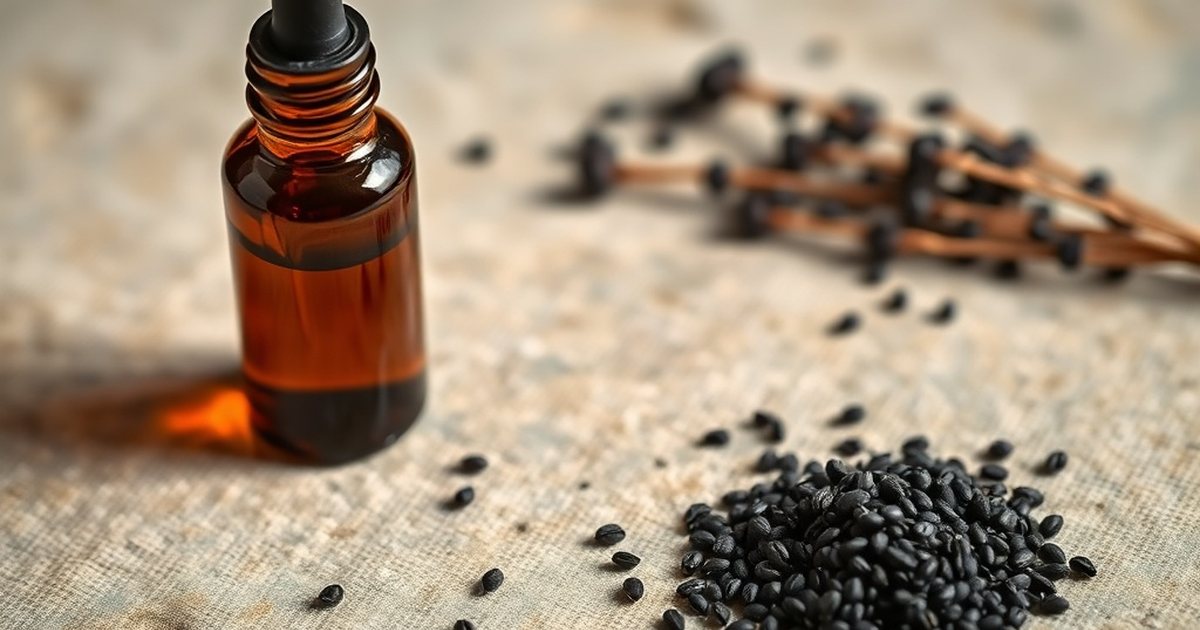
Black seed oil is produced by cold-pressing these seeds, a process meant to preserve the oil’s natural compounds without heat degrading them. The resulting oil is dark, slightly bitter, and pungent, and it’s sold as a liquid supplement, in capsule form, or as an ingredient in topical products.
Thymoquinone: The Primary Bioactive Compound
Thymoquinone is the compound researchers point to most often when explaining why black seed oil might have biological effects. It’s part of a class of plant chemicals studied for their ability to interact with oxidative stress pathways and inflammatory signaling in the body.
It’s important to be honest about the evidence base here: much of what is known about thymoquinone’s mechanisms comes from cell and animal studies, with human trials generally smaller in scale and shorter in duration. That doesn’t mean the compound is inactive, but it does mean firm conclusions about how it works in people are still developing.

Proposed Mechanisms of Action
Three general pathways come up repeatedly in discussions of how black seed oil might work. The first is antioxidant activity, the idea that thymoquinone and related compounds may help neutralize reactive molecules that contribute to cellular stress[3].
The second is anti-inflammatory activity, referring to potential effects on inflammatory signaling pathways in the body[4]. The third is immunomodulation, meaning a possible influence on how the immune system responds rather than simply suppressing or stimulating it broadly[5].
These are proposed mechanisms, not settled facts. Plausible biological pathways in early research don’t automatically translate into meaningful, reliable effects in everyday human use, which is why cautious framing matters.
What People Use Black Seed Oil For
Black seed oil is marketed for a wide range of uses, including general immune support, skin and hair care, digestive comfort, and metabolic wellness. Some of this popularity is rooted in its long history in traditional medicine systems, which is a cultural and historical fact rather than clinical proof of effectiveness.
Because much of the human research is limited to small or short-duration trials, it’s honest to describe these uses as areas of ongoing interest rather than established, well-supported benefits. Anyone considering black seed oil for a specific health goal should treat marketing claims with more skepticism than the underlying research currently supports. Two of the most heavily marketed uses are covered separately here: what the trials actually found on black seed oil and weight loss, and how the oil compares with wormwood in parasite cleanse protocols.
Quality, Sourcing, and Product Variability
Because black seed oil is sold as a supplement rather than a regulated drug, product quality can vary substantially between brands. Extraction method (cold-pressed versus solvent-extracted), seed origin, and storage conditions all affect the concentration of thymoquinone and other compounds in the final product[6]. Extraction method and seed origin are both things a bottle will normally state, so it helps to know how to read a black seed oil label before comparing brands.

The oil is not evaluated by the FDA for safety or efficacy the way a prescription medication would be. That means potency, purity, and even basic labeling accuracy aren’t guaranteed, which is worth factoring in before choosing a product or dose.
🛒 Where to Buy Black Seed Oil (Nigella sativa)
- CleanseParasites Intra-Cellular Superfood Editor’s Pick
Contains black cumin seed alongside sea moss, bladderwrack, and other superfood ingredients. - Amazing Herbs Premium Black Seed Oil
liquid, 8 fl oz glass bottle — cold-pressed black seed (Nigella sativa) oil - Sweet Sunnah Premium Black Seed Oil
liquid, 16 oz bottle — cold-pressed Nigella sativa, larger-format liquid option - Heritage Store Organic Black Seed Oil
liquid, 8 fl oz — Organic, cold-pressed - Amazing Herbs Premium Black Seed Oil Softgels
softgels, 1250 mg, 60 count — capsule form of the same cold-pressed oil
As an Amazon Associate we earn from qualifying purchases. Quality varies widely — always choose a product with a published third-party test (COA) before buying.
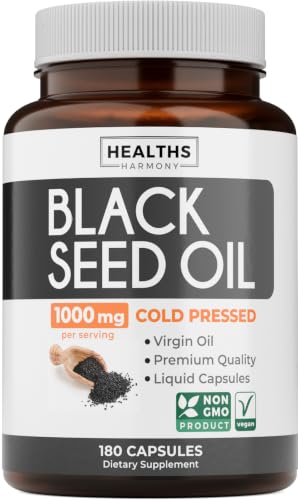
Price checked 7 October 2026. The $29.95 the calculator below works from is the Amazon buy-box price for Healths Harmony Black Seed Oil 500mg Softgels, one 180-count bottle (ASIN B0CLPCC3K9), retrieved on 7 October 2026. Amazon pricing changes without notice, so treat that figure as a snapshot from that date rather than a live quote. Amazon links on this page are paid links: as an Amazon Associate we earn from qualifying purchases.
Black Seed Oil (Nigella sativa) Dosage & Cost Calculator
Based on the labeled dose options for Black Seed Oil 500mg Softgels and the published 180-count bottle at $29.95.
Open the full dosage & cost calculator →
Estimate only – based on the current listed price of the 180-count Black Seed Oil 500mg Softgels bottle. Actual Amazon price can change; check the live price before buying.
Why no height/weight input? Unlike per-kg supplements (creatine, protein), Black Seed Oil (Nigella sativa) has no published bodyweight-adjusted dosing in the research behind it. This calculator doesn't fabricate a per-kg formula that doesn't exist in the literature.
Get Black Seed Oil 500mg Softgels on Amazon(paid link) As an Amazon Associate we earn from qualifying purchases.
A Note on the Evidence
This article is informational, not medical advice; black seed oil is not FDA-evaluated for safety or efficacy, human research remains limited to small or short-duration trials, and anyone on anticoagulant, antiplatelet, blood pressure[7], or diabetes medications[8], or who is pregnant or facing surgery, should consult a doctor before use.
Frequently Asked Questions
Is black seed oil the same as black cumin?
Black seed oil comes from Nigella sativa seeds, which are sometimes informally called “black cumin,” but the plant is not related to true cumin (Cuminum cyminum). The naming overlap is a common source of confusion.
What is thymoquinone?
Thymoquinone is the primary bioactive compound identified in black seed oil, studied for potential antioxidant, anti-inflammatory, and immune-modulating properties. Research on its exact mechanisms in humans is still developing.
Is black seed oil FDA-approved?
No. Black seed oil is sold as a dietary supplement and has not been evaluated by the FDA for safety or efficacy the way a prescription drug would be.
Can black seed oil interact with medications?
Yes. It can potentiate the effects of anticoagulants, antiplatelets, and blood pressure medications, so anyone taking these should talk to a doctor before using it.
Is black seed oil safe during pregnancy?
It should be avoided or used only under medical supervision during pregnancy, before surgery, or alongside diabetes or blood pressure medications, given the limited safety data available.
How is black seed oil typically produced?
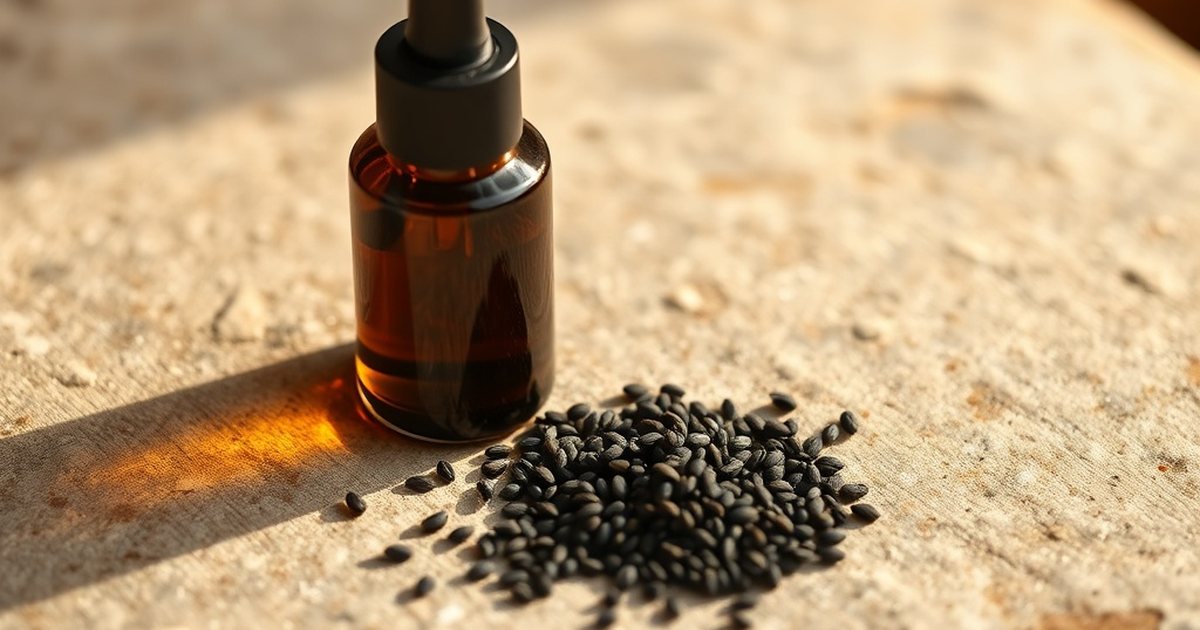
It’s most commonly made by cold-pressing Nigella sativa seeds, a method intended to preserve the oil’s natural compounds without heat degradation, though extraction methods vary by manufacturer.
References
- Hannan MA et al. Black Cumin (Nigella sativa L.): A Comprehensive Review on Phytochemistry, Health Benefits, Molecular Pharmacology, and Safety. Nutrients (2021). PMID 34073784
- Alberts A et al. Nigella sativa: A Comprehensive Review of Its Therapeutic Potential, Pharmacological Properties, and Clinical Applications. International journal of molecular sciences (2024). PMID 39769174
- Ardiana M et al. Effect of Nigella sativa Supplementation on Oxidative Stress and Antioxidant Parameters: A Meta-Analysis of Randomized Controlled Trials. TheScientificWorldJournal (2020). PMID 32454800
- Kavyani Z et al. The effect of Nigella sativa (black seed) on biomarkers of inflammation and oxidative stress: an updated systematic review and meta-analysis of randomized controlled trials. Inflammopharmacology (2023). PMID 37036558
- Ciesielska-Figlon K et al. The Immunomodulatory Effect of Nigella sativa. Antioxidants (Basel, Switzerland) (2023). PMID 37507880
- Dąbrowski G et al. Variation in the Composition and Quality of Nigella sativa L. Seed Oils-The Underestimated Impact on Possible Health-Promoting Properties. Molecules (Basel, Switzerland) (2024). PMID 38542995
- Sahebkar A et al. A systematic review and meta-analysis of randomized controlled trials investigating the effects of supplementation with Nigella sativa (black seed) on blood pressure. Journal of hypertension (2016). PMID 27512971
- Askari G et al. Effect of Nigella sativa (black seed) supplementation on glycemic control: A systematic review and meta-analysis of clinical trials. Phytotherapy research : PTR (2019). PMID 30873688
These statements have not been evaluated by the Food and Drug Administration. This information is not intended to diagnose, treat, cure, or prevent any disease. Content is for informational purposes only and is not medical advice; consult a qualified healthcare provider before starting any supplement. As an Amazon Associate we earn from qualifying purchases.