Black seed oil, pressed from Nigella sativa seeds, has become a popular supplement marketed for general wellness, and much of that interest centers on thymoquinone, the compound most often cited as its primary bioactive constituent. But walk down the supplement aisle or browse online listings and you’ll find wildly different labels: some list a specific thymoquinone percentage, some say nothing at all, and some make claims that go well beyond what the label itself can support.
This guide is about the label rather than a verdict on what thymoquinone does in the body. It walks through what label language actually means, what is verifiable, and what to ask before buying. Where a label claim depends on a measurable property of the oil, published analytical work is cited so you can check it yourself[1]. Evaluating specific health claims is a separate question, and one that should be settled against clinical evidence rather than packaging.
Key Takeaways
- A thymoquinone percentage on a label is only meaningful if it’s tied to a batch-specific, third-party lab test (a certificate of analysis) rather than a generic marketing figure.
- ‘Cold-pressed’ is a real, verifiable extraction detail worth looking for; vague phrases like ‘traditionally processed’ are not.
- Country-of-origin claims (Egyptian, Ethiopian, Turkish, Syrian, etc.) may reflect real differences in seed chemistry, but the printed claim alone isn’t proof, ask for sourcing documentation.
- Red flags include suspiciously precise numbers with no testing date, proprietary blend labeling, and disease-treatment language.
- This article covers how to read a label, not whether thymoquinone has proven health effects; that question belongs to the clinical literature rather than to packaging.
What 'Thymoquinone Content' on a Label Actually Means
Thymoquinone is a naturally occurring compound in Nigella sativa seed oil, and its concentration varies based on the seed variety, growing conditions, harvest timing, and how the oil is extracted and stored[1][2]. When a label states a specific thymoquinone percentage (for example, ‘3% thymoquinone’ or a milligram-per-serving figure), that number should, in theory, reflect a batch-specific lab assay rather than a generic industry average. If thymoquinone itself is new to you, what black seed oil is and why thymoquinone matters covers that first.
In practice, many labels state thymoquinone content without disclosing how it was measured, when the sample was tested, or whether the number applies to the specific bottle in your hand versus a reference sample used in marketing. A number with no testing method or date attached is a marketing claim, not a verified spec.
Cold-Pressed, Extraction Method, and Why It's on the Label
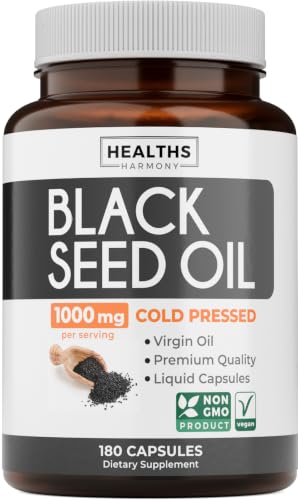
Cold-pressed (or cold-expeller-pressed) extraction is widely preferred for black seed oil because heat and solvent-based extraction methods can degrade volatile compounds, thymoquinone included, that are the reason people buy the product in the first place[1]. A label that specifies ‘cold-pressed’ is telling you something real about processing, though it still doesn’t guarantee a specific thymoquinone level.

Watch for vague alternatives like ‘traditionally extracted’ or ‘naturally processed,’ phrases that sound reassuring but don’t commit to a verifiable method. If the label doesn’t say cold-pressed (or doesn’t say anything about extraction), assume you don’t know how the oil was made.
Sourcing: Seed Origin and Why It's Repeated So Often
You’ll frequently see country-of-origin claims on black seed oil labels, most commonly Egyptian, Ethiopian, Turkish, or Syrian sourcing, marketed as producing seeds with higher or more consistent thymoquinone levels. Growing region can genuinely affect seed chemistry, but a printed country name on a label is an unverified claim unless it’s backed by a certificate of analysis (COA) or third-party origin verification.
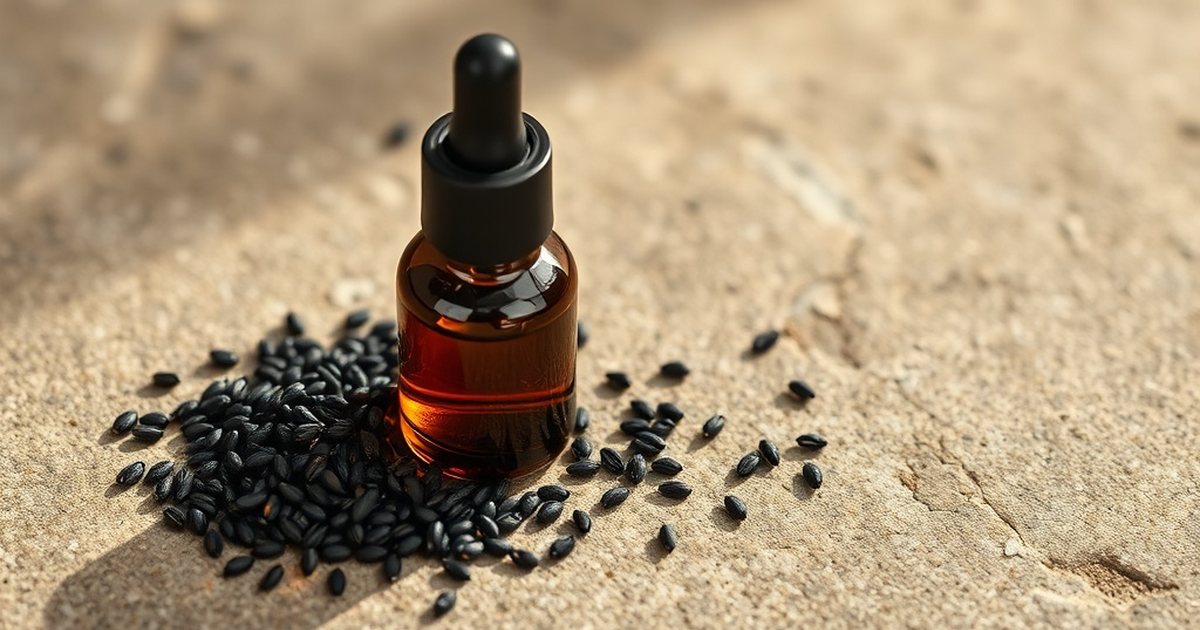
A country-of-origin claim with nothing else to support it (no batch number, no COA, no supplier transparency) is a marketing detail, not evidence of quality. Reputable sellers will often make sourcing documentation available on request or provide a QR code or lot number linking to a specific COA.
Third-Party Testing and Certificates of Analysis
A certificate of analysis is a lab report showing what was actually measured in a specific batch, potency (including thymoquinone percentage), purity, and contaminant screening (heavy metals, pesticide residue, microbial contamination). Third-party testing means an independent lab, not the manufacturer itself, performed that analysis.
The most trustworthy labels either print a batch/lot number tied to a publicly available COA, or the brand provides COAs on request. If a company advertises a thymoquinone percentage but can’t produce a corresponding COA when asked, treat that number as unverified marketing copy rather than a lab-confirmed spec.

Red Flags on a Black Seed Oil Label
Some label patterns are worth treating with skepticism. Round, suspiciously perfect thymoquinone percentages with no testing date or lot reference; broad structure/function claims that edge into disease treatment or cure language; proprietary blend labeling that hides the actual oil concentration behind a fixed ‘blend’ amount; and an absence of any extraction method, harvest date, or expiration date.
None of these automatically means the product is low quality, but together they should lower your confidence in any specific numeric claim on the front of the bottle. A supplement label is a marketing document first and a spec sheet second, and the responsible move is to look past the front label to whatever verification is (or isn’t) available. Label quality aside, it is worth reading the side effects and drug interactions before a first bottle.
Practical Questions to Ask Before You Buy
Before purchasing, it’s reasonable to ask: does this label specify a thymoquinone percentage, and is there a batch-specific COA behind it? Is the extraction method disclosed (cold-pressed vs. unspecified)? Is there a harvest or expiration date, since thymoquinone content can degrade with age and light/heat exposure? And is the seed origin claim backed by anything beyond a printed country name?
If a brand can answer these clearly, that’s a meaningfully different level of transparency than a bottle that leads with bold claims and stops there.
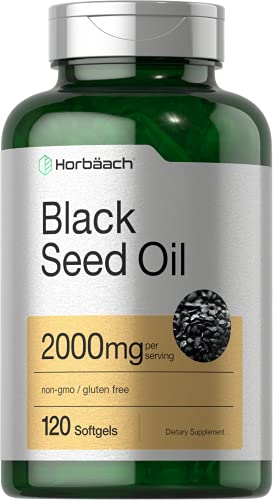
🛒 Where to Buy Black Seed Oil (Nigella sativa)
- CleanseParasites Intra-Cellular Superfood Editor’s Pick
Contains black cumin seed alongside sea moss, bladderwrack, and other superfood ingredients. - Amazing Herbs Premium Black Seed Oil
liquid, 8 fl oz glass bottle — cold-pressed black seed (Nigella sativa) oil - Sweet Sunnah Premium Black Seed Oil
liquid, 16 oz bottle — cold-pressed Nigella sativa, larger-format liquid option - Heritage Store Organic Black Seed Oil
liquid, 8 fl oz — Organic, cold-pressed - Amazing Herbs Premium Black Seed Oil Softgels
softgels, 1250 mg, 60 count — capsule form of the same cold-pressed oil
As an Amazon Associate we earn from qualifying purchases. Quality varies widely — always choose a product with a published third-party test (COA) before buying.
A Note on the Evidence
This article addresses label literacy. The sources below are cited for the composition and quality points that label claims rest on[1][3], not as evidence that black seed oil treats any condition. Black seed oil is not FDA-evaluated for safety or efficacy, has been studied for effects on blood pressure[4] and on glycemic control[5] that matter if you take medication for either, and should be avoided or used only under medical supervision during pregnancy, before surgery, or alongside diabetes or blood pressure drugs; this is informational content, not medical advice.
Frequently Asked Questions
Does a higher thymoquinone percentage on the label mean a better product?
Not necessarily, unless that percentage is backed by a batch-specific certificate of analysis from an independent lab. An unverified number on the front of the bottle tells you what the brand wants you to believe, not what’s actually in the bottle.
What does 'cold-pressed' mean on a black seed oil label?
It indicates the oil was extracted using pressure rather than heat or solvents, a method generally preferred because heat can degrade volatile compounds like thymoquinone. It’s a real processing detail, though it doesn’t by itself guarantee a specific potency.
Should I trust a specific country-of-origin claim like 'Egyptian black seed oil'?
Origin can affect seed chemistry, but a printed country name with no further documentation is unverified. Look for a supplier that can provide sourcing or batch documentation on request.
What is a certificate of analysis (COA) and why does it matter?
A COA is an independent lab report showing what was actually measured in a specific batch, potency, purity, and contaminant testing. It’s the closest thing to proof behind any potency claim on a label.
Are there safety concerns I should know about before trying black seed oil?
Black seed oil is not FDA-evaluated for safety or efficacy, and it can potentiate anticoagulants, antiplatelets, and blood-pressure medications. It should be avoided or used only under medical supervision during pregnancy, before surgery, or alongside diabetes or blood pressure drugs.
Is this article medical advice?
No. This is informational content about reading supplement labels, not medical advice, and it does not evaluate specific health claims about thymoquinone’s effects. Talk to a healthcare provider before starting any supplement, especially if you take medication or have a medical condition.
References
- Dąbrowski G et al. Variation in the Composition and Quality of Nigella sativa L. Seed Oils-The Underestimated Impact on Possible Health-Promoting Properties. Molecules (Basel, Switzerland) (2024). PMID 38542995
- Hannan MA et al. Black Cumin (Nigella sativa L.): A Comprehensive Review on Phytochemistry, Health Benefits, Molecular Pharmacology, and Safety. Nutrients (2021). PMID 34073784
- Alberts A et al. Nigella sativa: A Comprehensive Review of Its Therapeutic Potential, Pharmacological Properties, and Clinical Applications. International journal of molecular sciences (2024). PMID 39769174
- Sahebkar A et al. A systematic review and meta-analysis of randomized controlled trials investigating the effects of supplementation with Nigella sativa (black seed) on blood pressure. Journal of hypertension (2016). PMID 27512971
- Askari G et al. Effect of Nigella sativa (black seed) supplementation on glycemic control: A systematic review and meta-analysis of clinical trials. Phytotherapy research : PTR (2019). PMID 30873688
These statements have not been evaluated by the Food and Drug Administration. This information is not intended to diagnose, treat, cure, or prevent any disease. Content is for informational purposes only and is not medical advice; consult a qualified healthcare provider before starting any supplement. As an Amazon Associate we earn from qualifying purchases.