Parasite cleanse protocols frequently pair black seed oil (Nigella sativa) with wormwood (Artemisia absinthium), often marketed as a complementary duo, one ‘supporting’ the gut environment while the other is positioned as the primary anti-parasitic agent. These are two botanically and chemically distinct substances with different traditional uses, different proposed mechanisms, and, importantly, different levels of human safety data.
This article lays out what is actually known versus assumed about each substance in the context of parasite cleansing, without pretending that either has robust clinical evidence behind it for treating parasitic infections in humans. Neither should replace diagnosis or treatment prescribed by a physician for a confirmed parasitic infection.
Key Takeaways
- Black seed oil and wormwood are chemically distinct substances with different traditional roles in cleanse protocols, not interchangeable substitutes for each other
- No controlled human trials directly compare the two for parasite eradication
- Black seed oil can interact with anticoagulants, antiplatelets, and blood-pressure medications
- Wormwood carries thujone-related neurotoxicity concerns with prolonged or high-dose use
- Suspected parasitic infection warrants diagnostic testing and physician-guided treatment, not self-directed supplementation
Black Seed Oil: Proposed Mechanism and What It Is
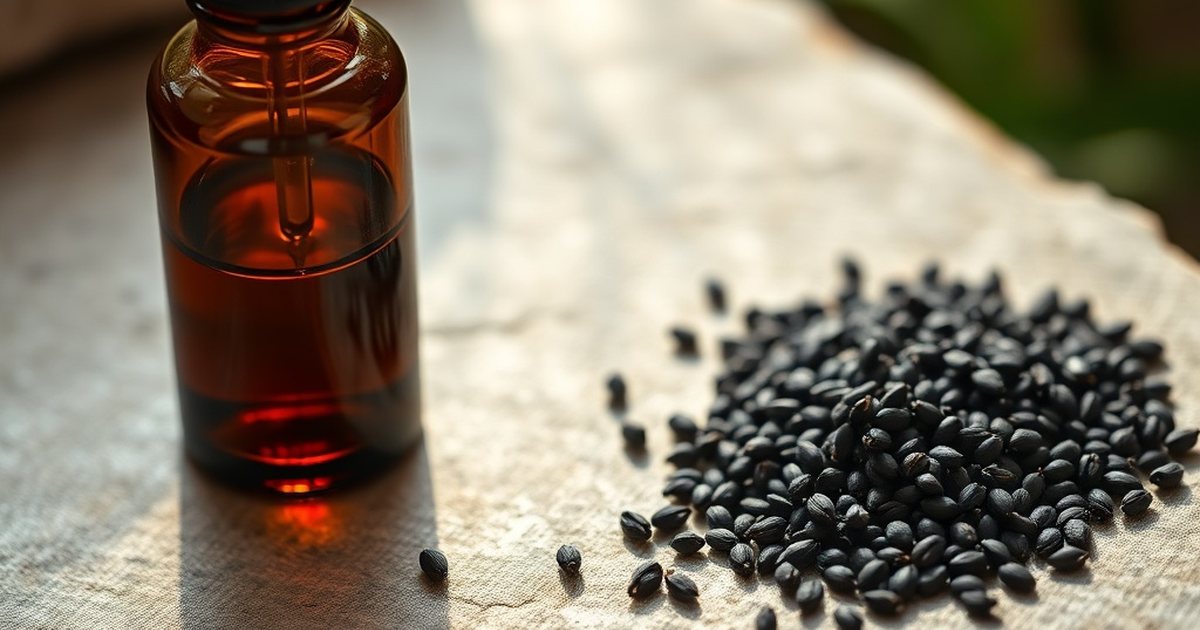
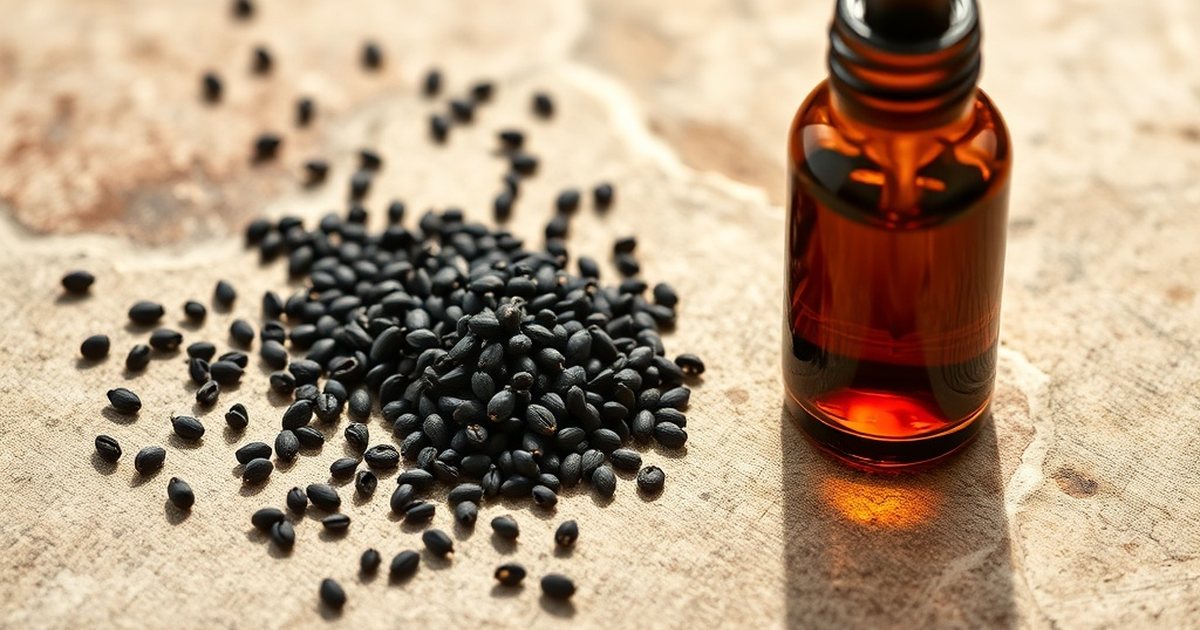
Black seed oil is the cold-pressed oil of Nigella sativa seeds. Its primary bioactive compound, thymoquinone, is proposed to act through antioxidant, anti-inflammatory, and immunomodulatory pathways. In the context of a parasite cleanse, proponents suggest these properties could support gut lining integrity and general immune function while other agents address parasites directly. Background on the oil itself is in what black seed oil is.
It is worth being precise about what the evidence actually covers. Nigella sativa and thymoquinone have been examined for antimicrobial activity in laboratory work[1][2], and anthelmintic activity has been reported in non-human models: an early study of the seed essential oil[3], a Caenorhabditis elegans screen[4], and a trematode parasite of buffalo[5]. None of that is a human trial. It shows measurable activity in a dish or in an animal host, which is a different claim from clearing an intestinal parasite in a person.
Wormwood: Traditional Use and Common Claims
Wormwood (Artemisia absinthium) is a bitter herb historically used in traditional medicine systems, often included in commercial ‘parasite cleanse’ formulas alongside black walnut hull and cloves. It is chemically distinct from Artemisia annua (sweet wormwood), the source of artemisinin used in conventional antimalarial medicine, a distinction that matters because claims about one are sometimes conflated with the other.

Wormwood sits in a similar position. Its use in cleanse formulas is documented history, not clinical proof of efficacy against intestinal parasites, and readers should be skeptical of products that present the two as if they were the same thing. The better-characterised wormwood literature concerns its thujone content and the toxicity associated with it[6][7], rather than parasite eradication in humans.
Why 'Vs.' Is the Wrong Frame
Marketing materials often frame black seed oil and wormwood as competing or complementary options within a single cleanse stack. In practice, these compounds have not been directly compared to each other in controlled human trials for parasite eradication. Any comparison of ‘which works better’ is speculation, not a documented finding.
A more honest framing: black seed oil is generally discussed in terms of general anti-inflammatory and antioxidant support, while wormwood is discussed in terms of traditional anti-parasitic folklore. Neither framing is a substitute for diagnostic testing (stool ova and parasite exams, PCR panels) if a parasitic infection is actually suspected.
Safety Considerations for Black Seed Oil
Black seed oil is not FDA-evaluated for safety or efficacy. It can potentiate anticoagulant and antiplatelet medications as well as blood-pressure medications, which raises the risk of excessive bleeding or hypotension when combined[8][9]. People on these medications should not add black seed oil without medical supervision.
Black seed oil should be avoided or used only under medical supervision during pregnancy, before surgery, or alongside diabetes or blood pressure drugs, given its potential to affect blood sugar and blood pressure regulation. These cautions are set out in more detail in black seed oil side effects.

Safety Considerations for Wormwood
Wormwood contains thujone, a compound associated with neurotoxicity at high doses or with prolonged use, historically linked to concerns around absinthe consumption[6][7]. Extended or high-dose wormwood use is generally considered a higher-risk practice than short-term culinary-level exposure, and it is not something to self-administer as part of an unsupervised cleanse regimen.
Wormwood is generally contraindicated in pregnancy and should not be combined with other medications or supplements without a clinician’s input, particularly given the lack of standardized dosing in commercial cleanse products.
What a Reasonable Approach Looks Like
If parasitic infection is suspected based on symptoms (persistent GI distress, unexplained weight loss, travel history to endemic regions), the appropriate first step is diagnostic testing and evaluation by a physician, not a self-directed supplement stack. Confirmed parasitic infections have established pharmaceutical treatments with known efficacy and dosing.
For those using black seed oil or wormwood as general wellness supplements outside of a confirmed infection, understanding the interaction risks above and disclosing supplement use to any treating physician is the minimum safety step, especially before surgery or when on blood-thinning, blood-pressure, or diabetes medications.
🛒 Where to Buy Black Seed Oil (Nigella sativa)
- CleanseParasites Intra-Cellular Superfood Editor’s Pick
Contains black cumin seed alongside sea moss, bladderwrack, and other superfood ingredients. - Amazing Herbs Premium Black Seed Oil
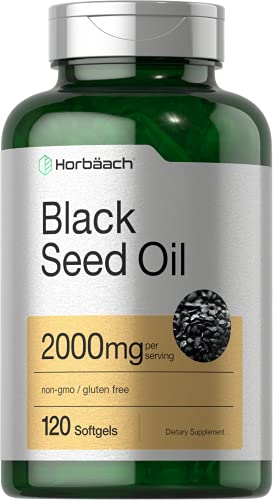
liquid, 8 fl oz glass bottle — cold-pressed black seed (Nigella sativa) oil - Sweet Sunnah Premium Black Seed Oil
liquid, 16 oz bottle — cold-pressed Nigella sativa, larger-format liquid option - Heritage Store Organic Black Seed Oil
liquid, 8 fl oz — Organic, cold-pressed - Amazing Herbs Premium Black Seed Oil Softgels
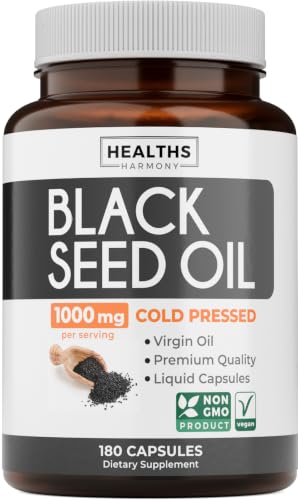
softgels, 1250 mg, 60 count — capsule form of the same cold-pressed oil
As an Amazon Associate we earn from qualifying purchases. Quality varies widely — always choose a product with a published third-party test (COA) before buying.
A Note on the Evidence
The sources below are laboratory, animal and review-level work[8]. None of them is a controlled human trial of either substance for parasite eradication, and that gap is the point of this article rather than an omission from it. Treat all mechanism discussion as proposed, not proven. This is informational only, not medical advice, consult a physician before using either supplement, especially if pregnant, scheduled for surgery, or on anticoagulant, blood-pressure[9], or diabetes medications[10].
Frequently Asked Questions
Can black seed oil and wormwood be taken together safely?
There is no controlled human research establishing a safe or effective combined protocol for these two substances together. Given that both carry distinct interaction and toxicity profiles, combining them without medical supervision adds risk rather than proven benefit.
Is wormwood the same as the artemisinin used in malaria treatment?
No. Artemisinin comes from Artemisia annua (sweet wormwood), a different species from the Artemisia absinthium typically used in parasite cleanse products. This distinction is frequently blurred in marketing but matters for both mechanism and evidence.
Does black seed oil kill parasites directly?
No human research establishes a direct anti-parasitic effect for black seed oil. Anthelmintic activity has been reported in laboratory and animal models[4][5], which is a different claim. Its commonly proposed benefits relate to antioxidant, anti-inflammatory, and immunomodulatory activity, not documented parasiticidal action in people.
Who should avoid these supplements entirely?
Pregnant individuals, those preparing for surgery, and anyone on anticoagulant, antiplatelet, blood-pressure, or diabetes medications should avoid both substances unless explicitly cleared and monitored by a physician.
What should I do if I think I have a parasitic infection?
See a physician for stool testing or other diagnostic evaluation. Confirmed infections have established, evidence-backed pharmaceutical treatments; self-treating with unregulated supplement blends risks delaying appropriate care.
Are commercial 'parasite cleanse' kits regulated for dosing accuracy?
These products are typically sold as dietary supplements, which are not FDA-evaluated for safety or efficacy in the same way medications are, meaning dosing consistency and quality control can vary between brands.
References
- Forouzanfar F et al. Black cumin (Nigella sativa) and its constituent (thymoquinone): a review on antimicrobial effects. Iranian journal of basic medical sciences (2014). PMID 25859296
- Abbas M et al. Antimicrobial Properties and Therapeutic Potential of Bioactive Compounds in Nigella sativa: A Review. Molecules (Basel, Switzerland) (2024). PMID 39459282
- Agarwal R et al. Antimicrobial & anthelmintic activities of the essential oil of Nigella sativa Linn. Indian journal of experimental biology (1979). PMID 549848
- Özpınar N et al. A model Organism for Antihelminthic Activity: Caenorhabditis elegans and Nigella sativa. Turkiye parazitolojii dergisi (2020). PMID 32212587
- Farhat F et al. Antihelminthic effect of thymoquinone against biliary amphistome, Gigantocotyle explanatum. Experimental parasitology (2022). PMID 36332695
- Lachenmeier DW et al. Absinthe: a review. Critical reviews in food science and nutrition (2006). PMID 16891209
- Radulović NS et al. Toxic essential oils. Part V: Behaviour modulating and toxic properties of thujones and thujone-containing essential oils of Salvia officinalis L., Artemisia absinthium L., Thuja occidentalis L. and Tanacetum vulgare L. Food and chemical toxicology (2017). PMID 28472675
- Hannan MA et al. Black Cumin (Nigella sativa L.): A Comprehensive Review on Phytochemistry, Health Benefits, Molecular Pharmacology, and Safety. Nutrients (2021). PMID 34073784
- Sahebkar A et al. A systematic review and meta-analysis of randomized controlled trials investigating the effects of supplementation with Nigella sativa (black seed) on blood pressure. Journal of hypertension (2016). PMID 27512971
- Askari G et al. Effect of Nigella sativa (black seed) supplementation on glycemic control: A systematic review and meta-analysis of clinical trials. Phytotherapy research : PTR (2019). PMID 30873688
These statements have not been evaluated by the Food and Drug Administration. This information is not intended to diagnose, treat, cure, or prevent any disease. Content is for informational purposes only and is not medical advice; consult a qualified healthcare provider before starting any supplement. As an Amazon Associate we earn from qualifying purchases.