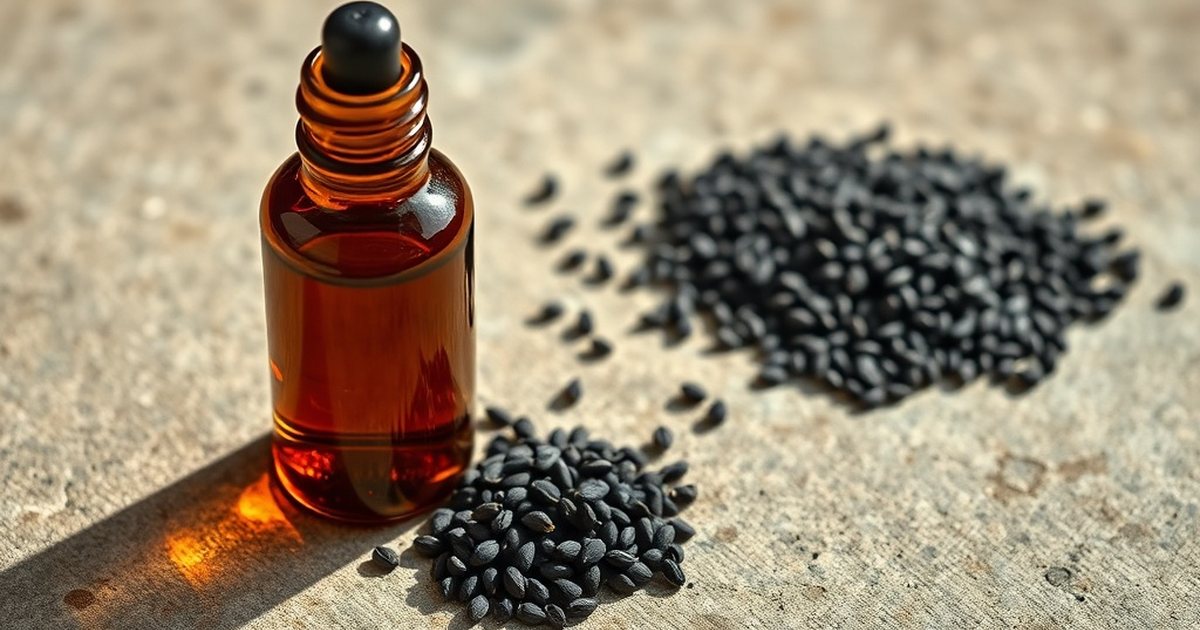
Black seed oil comes from the seeds of Nigella sativa, a plant used for centuries in traditional medicine across the Middle East and South Asia. Its primary bioactive compound, thymoquinone, is thought to have antioxidant, anti-inflammatory, and immune-modulating effects, which is why the oil shows up in research on cholesterol, blood sugar, and liver health [1]. But interest in a supplement’s benefits often outpaces attention to its downsides, and side effects deserve equal billing.
Most human studies on black seed oil are small, short in duration, and not always designed to capture rare or long-term adverse effects carefully. This article walks through what’s actually been reported in the clinical literature, plausible interactions with common medications, and who should be cautious or avoid it altogether. None of this replaces a conversation with a doctor or pharmacist, especially if you take prescription medication.
Key Takeaways
- Digestive upset (nausea, stomach discomfort) is one of the most commonly reported issues, monitored directly in at least one clinical trial [2]
- Theoretical blood-pressure-lowering and antiplatelet effects mean caution is warranted with BP medication, anticoagulants, or antiplatelet drugs
- Blood-sugar-lowering activity noted in diabetes research [3][4] raises hypoglycemia risk when combined with diabetes medication
- People with liver disease, those who are pregnant, or those preparing for surgery should avoid use without medical supervision
- Products are not FDA-evaluated and vary in dose and thymoquinone concentration, so effects (and side effects) may not be consistent between brands
What Black Seed Oil Actually Is
Black seed oil is cold-pressed from Nigella sativa seeds, sometimes called black cumin or kalonji. A comprehensive phytochemistry review describes thymoquinone as the main active constituent, alongside smaller amounts of other volatile compounds, and outlines proposed mechanisms including antioxidant activity and modulation of inflammatory pathways [1]. That same review is useful for side-effect context too, since it compiles safety data across the plant’s studied uses rather than focusing on one narrow claim.
It’s worth being clear about what black seed oil is not: it is not an FDA-evaluated drug, and dosing, purity, and thymoquinone concentration can vary a lot between commercial products. That variability matters when thinking about side effects, since a stronger or less standardized extract could plausibly produce different effects than what’s tested in a clinical trial. For background on the plant and its chemistry, see what black seed oil is.

Digestive Side Effects
Gastrointestinal upset is one of the more commonly reported issues with Nigella sativa preparations. A double-blind randomized controlled trial testing a honey-based Nigella sativa seed oil formulation in people with functional dyspepsia found the treatment improved dyspepsia symptoms overall, but the trial also monitored for adverse events as part of its safety assessment, underscoring that GI tolerability is something researchers specifically check for with this supplement [2]. In practice, this means new users may notice mild stomach discomfort, nausea, or changes in bowel habits, particularly at higher doses or when taken on an empty stomach.
If digestive symptoms appear, taking the oil with food, starting at a lower dose, or discontinuing use if symptoms persist are reasonable first steps. Persistent or severe abdominal pain is not something to push through and should prompt medical evaluation.
Effects on Blood Pressure and Bleeding Risk
Black seed oil is proposed to have mild blood pressure-lowering and antiplatelet-like effects as part of its broader cardiovascular and metabolic profile discussed in the phytochemistry literature [1]. For someone with normal blood pressure and no bleeding disorders, this may be a benign or even beneficial characteristic. But for someone already on antihypertensive medication, an additive blood-pressure-lowering effect could tip into symptomatic hypotension, dizziness, or lightheadedness.
The bigger concern is with anticoagulants and antiplatelet drugs (such as warfarin, DOACs, or aspirin therapy). If black seed oil has any real antiplatelet activity, combining it with these medications could theoretically increase bruising or bleeding risk. This interaction has not been rigorously tested in dedicated interaction trials, so the caution here is based on plausible mechanism rather than a confirmed clinical event, but it’s a reason to loop in a prescribing physician before combining the two.

Interactions With Diabetes Medications
A systematic review of thymoquinone and Nigella sativa in diabetes management found evidence suggesting effects on glycemic control across various studies, pointing to plausible blood-sugar-lowering activity [3]. A more recent umbrella review of herbal medicines for glycemic control and insulin resistance in type 2 diabetes similarly evaluated Nigella sativa among other botanicals for both efficacy and safety signals [4].
The practical concern for someone already on metformin, sulfonylureas, or insulin is additive blood-sugar lowering, which could increase the risk of hypoglycemia (low blood sugar), especially if doses of prescription medication aren’t adjusted. Symptoms of hypoglycemia, shakiness, sweating, confusion, or rapid heartbeat, should be taken seriously, and anyone on diabetes medication considering black seed oil should discuss it with their prescriber first and monitor blood glucose more closely when starting. The same blood-sugar signal shows up in the research on black seed oil and weight loss, where trials often report glycemic markers alongside weight.
Liver-Related Considerations
A study looking at Nigella sativa in people with hepatitis C in Egypt examined outcomes related to liver disease in this population [5]. This kind of research is done in people who already have significant liver involvement, which is a different context than a healthy person taking a supplement for general wellness. It doesn’t establish that black seed oil is unsafe for the liver, but it does mean that the safety profile in people with pre-existing liver disease isn’t the same open question as for a healthy adult.
Anyone with a known liver condition, or who is taking medications metabolized heavily by the liver, should raise black seed oil with their doctor before starting rather than assuming supplement status equals low risk.
Cholesterol Medication and Metabolic Interactions
A systematic review and meta-analysis of Ayurvedic herbal preparations for hypercholesterolemia included Nigella sativa among the botanicals evaluated for lipid-lowering effects [6]. If black seed oil does meaningfully affect cholesterol levels, that’s generally framed as a potential benefit, but it also means people already on statins or other lipid-lowering drugs are combining two substances working on overlapping pathways. This isn’t necessarily dangerous, but it’s a reason for lipid panels to be monitored rather than assumed unchanged.

As with the diabetes and blood pressure considerations above, the theme is the same: black seed oil’s proposed mechanisms overlap with several common drug classes, and overlap is exactly the condition under which interactions, even mild ones, become more likely.
Who Should Be Especially Careful
Certain groups warrant extra caution or outright avoidance without medical supervision: pregnant women, people scheduled for surgery (due to bleeding-risk overlap with anesthesia and antiplatelet concerns), and anyone on anticoagulant, antiplatelet, blood pressure, or diabetes medications. Because commercial black seed oil products aren’t standardized or FDA-evaluated for safety or efficacy, dose and thymoquinone content can vary between brands, adding another layer of unpredictability on top of the interaction concerns above. Beyond these general cautions, a small number of case reports describing rarer but more serious reactions are worth reading before starting.
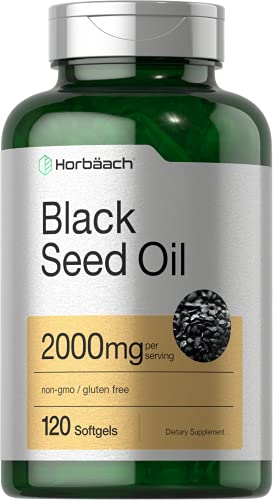
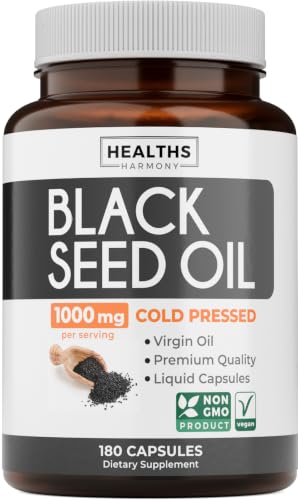
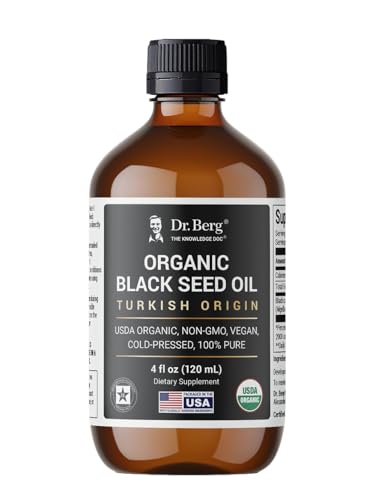
🛒 Where to Buy Black Seed Oil (Nigella sativa)
- CleanseParasites Intra-Cellular Superfood Editor’s Pick
Contains black cumin seed alongside sea moss, bladderwrack, and other superfood ingredients. - Amazing Herbs Premium Black Seed Oil
liquid, 8 fl oz glass bottle — cold-pressed black seed (Nigella sativa) oil - Sweet Sunnah Premium Black Seed Oil
liquid, 16 oz bottle — cold-pressed Nigella sativa, larger-format liquid option - Heritage Store Organic Black Seed Oil
liquid, 8 fl oz — Organic, cold-pressed - Amazing Herbs Premium Black Seed Oil Softgels
softgels, 1250 mg, 60 count — capsule form of the same cold-pressed oil
As an Amazon Associate we earn from qualifying purchases. Quality varies widely — always choose a product with a published third-party test (COA) before buying.
A Note on the Evidence
Evidence on black seed oil’s side effects mostly comes from small or short-duration trials focused on specific conditions, not dedicated large-scale safety studies, so some interactions described here are plausible rather than definitively proven. This article is informational, not medical advice; anyone with a chronic condition, on prescription medication, pregnant, or preparing for surgery should consult a doctor before use.
Frequently Asked Questions
Can black seed oil cause stomach problems?
Yes, mild digestive symptoms like nausea or stomach discomfort have been noted in people using Nigella sativa preparations, and a clinical trial on a honey-based seed oil formulation for dyspepsia specifically tracked this as part of its safety monitoring [2].
Is black seed oil safe to take with blood pressure medication?
It may not be. Black seed oil is proposed to have mild blood-pressure-lowering properties, so combining it with antihypertensive drugs could cause additive effects like dizziness or lightheadedness; talk to your doctor before combining them [1].
Can black seed oil affect blood sugar if I'm on diabetes medication?
Research suggests thymoquinone and Nigella sativa may influence glycemic control [3][4], which means combining it with insulin or oral diabetes medications could increase the risk of hypoglycemia. Monitor blood sugar closely and consult your prescriber first.
Does black seed oil interact with blood thinners?
There isn’t a dedicated interaction trial confirming this, but given its proposed antiplatelet-like properties, combining black seed oil with anticoagulants or antiplatelet drugs (like warfarin or aspirin) carries a plausible increased bleeding risk and should be discussed with a doctor first.
Is black seed oil safe during pregnancy?
It should be avoided during pregnancy unless a doctor specifically supervises its use, since safety data in pregnant populations is not established and the FDA has not evaluated it for this or any use.
Should I stop taking black seed oil before surgery?
Given the theoretical bleeding-risk interaction with anesthesia and blood-thinning medications, it’s generally advised to stop use before a scheduled surgery and inform your surgical team that you’ve been taking it.
References
- Hannan MA et al. Black Cumin (Nigella sativa L.): A Comprehensive Review on Phytochemistry, Health Benefits, Molecular Pharmacology, and Safety. Nutrients (2021). PMID 34073784
- Mohtashami R et al. Efficacy and safety of honey based formulation of Nigella sativa seed oil in functional dyspepsia: A double blind randomized controlled clinical trial. Journal of ethnopharmacology (2015). PMID 26386381
- Mahomoodally MF et al. Nigella sativa L. and Its Active Compound Thymoquinone in the Clinical Management of Diabetes: A Systematic Review. International journal of molecular sciences (2022). PMID 36292966
- Li E et al. The efficacy and safety of herbal medicines for glycaemic control and insulin resistance in individuals with type 2 diabetes: an umbrella review. BMC complementary medicine and therapies (2025). PMID 41029669
- Barakat EM et al. Effects of Nigella sativa on outcome of hepatitis C in Egypt. World journal of gastroenterology (2013). PMID 23674855
- Gyawali D et al. A Systematic Review and Meta-Analysis of Ayurvedic Herbal Preparations for Hypercholesterolemia. Medicina (Kaunas, Lithuania) (2021). PMID 34071454
These statements have not been evaluated by the Food and Drug Administration. This information is not intended to diagnose, treat, cure, or prevent any disease. Content is for informational purposes only and is not medical advice; consult a qualified healthcare provider before starting any supplement. As an Amazon Associate we earn from qualifying purchases.