Black seed oil, pressed from the seeds of Nigella sativa, has a long history of traditional use and a growing body of laboratory and animal research examining its effects against parasites and bacteria. Much of this work centers on thymoquinone, the oil’s primary bioactive compound, which appears to act through antioxidant, anti-inflammatory, and immune-modulating pathways.
This article summarizes what has actually been tested, in what models, and how strong that evidence really is. Almost all of the research described here comes from cell cultures, worm and animal models, or lab-dish (in vitro) assays, not human clinical trials, so the findings point toward mechanisms worth studying further rather than proven treatments for parasitic or bacterial infections in people.
Key Takeaways
- Most black seed oil antiparasitic research comes from worm models, animal studies, and direct lab testing on parasites or cysts, not human clinical trials [1] [2] [3].
- Thymoquinone, the oil’s key bioactive compound, has shown antibacterial activity against specific bacteria like Shigella flexneri and Bacillus cereus in lab settings [4] [5].
- Proposed mechanisms center on antioxidant, anti-inflammatory, and immune-modulating actions rather than a single antimicrobial pathway [6] [7].
- No human clinical trial evidence establishes black seed oil as an effective treatment for a parasitic or bacterial infection.
- Black seed oil is not FDA-evaluated for safety or efficacy and can interact with anticoagulants, antiplatelets, and blood pressure medications.
Antihelminthic (Anti-Worm) Research
Nigella sativa oil has been tested using Caenorhabditis elegans, a small roundworm commonly used as a screening model for antihelminthic activity, where it showed measurable effects on worm viability [1]. Because C. elegans is a standard preliminary model, results like this are typically used to justify further study rather than to establish activity against parasites that infect humans.
In a rat model of Schistosoma mansoni infection, orally administered Nigella sativa oil, alone and combined with a Chroococcus turgidus extract, produced antiparasitic effects against this blood fluke [2]. Separately, thymoquinone demonstrated an antihelminthic effect against Gigantocotyle explanatum, a biliary amphistome (a type of fluke that infects the bile ducts of livestock) [8].

In mice infected with Toxocara canis (a roundworm parasite), Nigella sativa was studied both alone and in combination with the antiparasitic drug albendazole, with the combination approach explored for potential added benefit over either treatment alone [9]. Nigella sativa seed aqueous extract has also been studied for its ability to ameliorate quinine-induced thrombocytopenia (low platelet count) in rats, a finding relevant to parasitic disease treatment since quinine-based drugs are used against malaria and can lower platelets as a side effect [10].
Scolicidal Activity Against Hydatid Cysts
Hydatid disease is caused by the larval stage of the tapeworm Echinococcus granulosus, which forms fluid-filled cysts in organs like the liver and lungs. In laboratory testing, black cumin (Nigella sativa) essential oil showed scolicidal activity, meaning it was able to kill the protoscolices (the larval worm heads) found inside hydatid cysts, when tested directly against cyst material [3].
This type of scolicidal testing is done in vitro, applying the oil directly to cyst contents in a lab setting, and is one way researchers screen natural compounds as potential adjuncts to surgical or chemical treatment of hydatid cysts. It does not establish that the oil can treat hydatid disease in a living person, where a cyst is enclosed by host tissue and drug delivery is far more complex.
Antibacterial and Anti-Biofilm Research
Separate from its antiparasitic research, thymoquinone has been studied for direct antibacterial effects. Against Shigella flexneri, a bacterium that causes bacillary dysentery, thymoquinone showed antimicrobial activity and also disrupted biofilms, the protective bacterial communities that make some infections harder to treat with standard antibiotics [4].

Thymoquinone has also been examined against Bacillus cereus, a bacterium associated with food poisoning, showing antimicrobial activity against both the actively growing bacteria and their more resistant spore form, with researchers proposing specific mechanisms of action behind this effect [5]. A related thymoquinone derivative has separately demonstrated antibacterial activity in laboratory testing [11].
Proposed Mechanisms Behind the Effects
Review literature on Nigella sativa and thymoquinone consistently points to a combination of antioxidant, anti-inflammatory, and immune-modulating actions as the likely basis for its antimicrobial and antiparasitic effects, rather than a single, simple mechanism [6]. Thymoquinone in particular is highlighted as the compound most responsible for these bioactivities across the plant’s broader therapeutic research base [7].
More recent comprehensive reviews continue to summarize Nigella sativa’s antimicrobial, antioxidant, and other pharmacological properties, situating the antiparasitic and antibacterial findings within a much larger body of preclinical research on the plant [12]. These reviews are useful for seeing how individual lab studies fit into the wider picture, but they are summaries of existing preclinical work, not new clinical evidence.
How Far the Evidence Actually Goes
It’s worth being direct about what these studies do and don’t show. The antiparasitic findings come from worm models (C. elegans), animal infection models (mice, rats), and direct lab-dish testing on isolated parasites or cyst material. The antibacterial findings are similarly based on lab cultures of specific bacterial species. None of the evidence cited here is a controlled clinical trial in humans with a parasitic or bacterial infection, so it cannot tell us the right dose, safety profile, or real-world effectiveness of black seed oil for treating an infection in a person.
That gap matters practically. A compound working against a worm in a petri dish, or reducing a parasite burden in a mouse, is a meaningfully different thing from a proven treatment for a human infection. These findings are best read as evidence that thymoquinone and Nigella sativa oil are worth continued scientific investigation, not as a basis for self-treating a suspected parasitic or bacterial infection instead of seeking appropriate medical care.
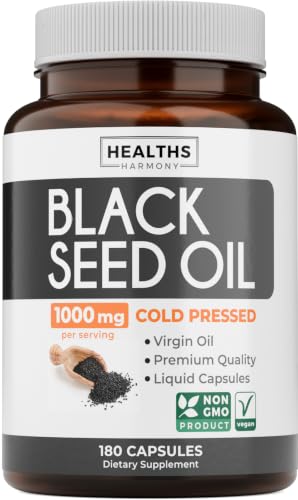
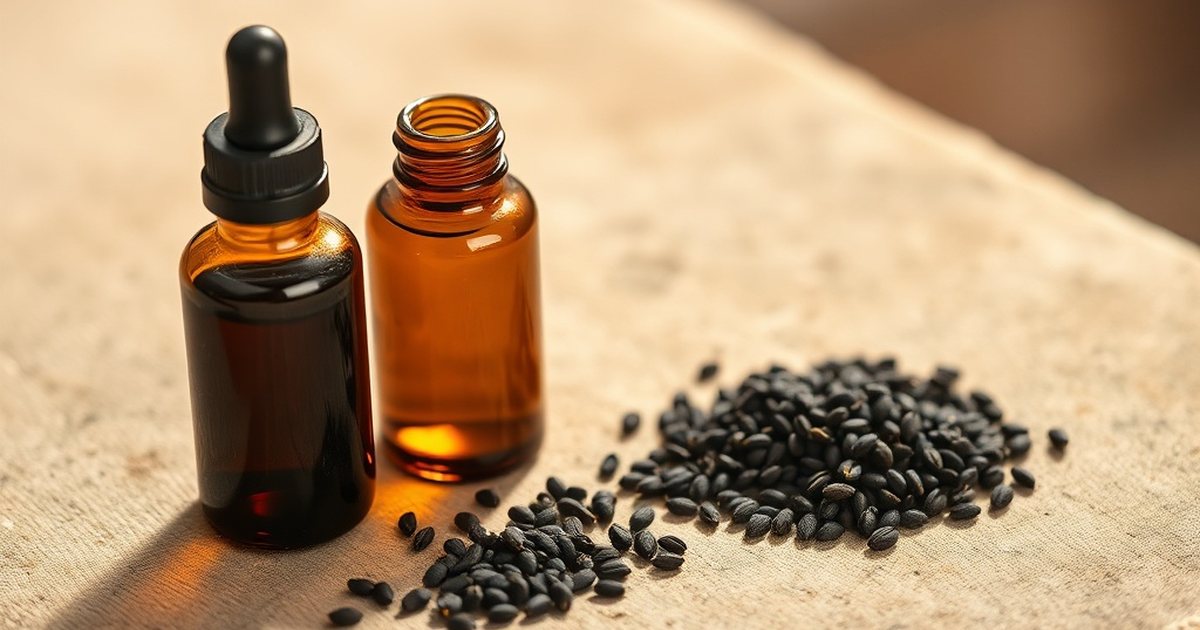
🛒 Where to Buy Black Seed Oil (Nigella sativa)
- CleanseParasites Intra-Cellular Superfood Editor’s Pick
Contains black cumin seed alongside sea moss, bladderwrack, and other superfood ingredients. - Amazing Herbs Premium Black Seed Oil
liquid, 8 fl oz glass bottle — cold-pressed black seed (Nigella sativa) oil - Sweet Sunnah Premium Black Seed Oil
liquid, 16 oz bottle — cold-pressed Nigella sativa, larger-format liquid option - Heritage Store Organic Black Seed Oil
liquid, 8 fl oz — Organic, cold-pressed - Amazing Herbs Premium Black Seed Oil Softgels
softgels, 1250 mg, 60 count — capsule form of the same cold-pressed oil
As an Amazon Associate we earn from qualifying purchases. Quality varies widely — always choose a product with a published third-party test (COA) before buying.
A Note on the Evidence
This article summarizes preclinical (cell, worm, and animal) research, not proven human treatments, and black seed oil is not FDA-evaluated for safety or efficacy. It can interact with anticoagulants, antiplatelets, and blood pressure medications, and should be avoided or used only under medical supervision during pregnancy, before surgery, or alongside diabetes or blood pressure drugs; this is informational content, not medical advice, and anyone with a suspected parasitic or bacterial infection should consult a doctor.
Frequently Asked Questions
Can black seed oil actually kill parasites in humans?
The evidence for antiparasitic activity comes from worm models, animal studies, and direct lab testing on isolated parasites or cysts, not human trials [2] [3]. There’s no clinical evidence it treats parasitic infections in people, so it shouldn’t replace prescribed antiparasitic medication.
What is thymoquinone and why does it matter here?
Thymoquinone is the primary bioactive compound in black seed oil and is the compound most consistently linked to its antimicrobial and antiparasitic laboratory effects [7] [6].
Has black seed oil been tested against bacteria that cause human illness?
Yes, in lab settings. Thymoquinone has shown activity against Shigella flexneri, which causes bacillary dysentery, and against Bacillus cereus, associated with food poisoning [4] [5]. These are in vitro findings, not evidence of treating an active infection.
Was black seed oil combined with conventional antiparasitic drugs in any studies?
Yes. In a mouse model of Toxocara canis infection, Nigella sativa was studied alongside the drug albendazole to see whether combining the two offered any added effect compared to either alone [9].
Is it safe to take black seed oil alongside other medications?
Not necessarily. Black seed oil can potentiate anticoagulants, antiplatelets, and blood pressure medications, and should be avoided or used only under medical supervision during pregnancy, before surgery, or alongside diabetes or blood pressure drugs.
Does research support using black seed oil for hydatid cyst disease?
Lab testing found black cumin essential oil had scolicidal activity against the larval worm structures found in hydatid cysts [3], but this was tested directly on cyst material outside the body, not as a treatment in a person with hydatid disease.
References
- Özpınar N et al. A model Organism for Antihelminthic Activity: Caenorhabditis elegans and Nigella sativa. Turkiye parazitolojii dergisi (2020). PMID 32212587
- Ali M et al. Schistosoma mansoni: Antiparasitic effects of orally administered Nigella sativa oil and/or Chroococcus turgidus extract. Acta biologica Hungarica (2016). PMID 27630048
- Mahmoudvand H et al. Scolicidal effects of black cumin seed (Nigella sativa) essential oil on hydatid cysts. The Korean journal of parasitology (2014). PMID 25548417
- Fan Q et al. Antimicrobial and anti-biofilm activity of thymoquinone against Shigella flexneri. Applied microbiology and biotechnology (2021). PMID 34014346
- Wang S et al. Antimicrobial Activity and Action Mechanism of Thymoquinone against Bacillus cereus and Its Spores. Foods (Basel, Switzerland) (2021). PMID 34945598
- Ahmad A et al. A review on therapeutic potential of Nigella sativa: A miracle herb. Asian Pacific journal of tropical biomedicine (2013). PMID 23646296
- Chatterjee G et al. A Comprehensive Review of the Antioxidant, Antimicrobial, and Therapeutic Efficacies of Black Cumin (Nigella sativa L.) Seed Oil and Its Thymoquinone. Journal of medicinal food (2025). PMID 39807848
- Farhat F et al. Antihelminthic effect of thymoquinone against biliary amphistome, Gigantocotyleexplanatum. Experimental parasitology (2022). PMID 36332695
- Musa D et al. Effects of Nigella sativa and albendazole alone and in combination in Toxocara canis infected mice. JPMA. The Journal of the Pakistan Medical Association (2011). PMID 22360025
- Saadia M et al. Potential of Nigella sativa seed aqueous extract in ameliorating quinine-induced thrombocytopenia in rats. Pakistan journal of pharmaceutical sciences (2017). PMID 29084690
- Mohammad MY et al. Antibacterial activity of thymoquinone derivative. BMC research notes (2023). PMID 37798782
- Alberts A et al. Nigella sativa: A Comprehensive Review of Its Therapeutic Potential, Pharmacological Properties, and Clinical Applications. International journal of molecular sciences (2024). PMID 39769174
These statements have not been evaluated by the Food and Drug Administration. This information is not intended to diagnose, treat, cure, or prevent any disease. Content is for informational purposes only and is not medical advice; consult a qualified healthcare provider before starting any supplement. As an Amazon Associate we earn from qualifying purchases.