Black seed oil, pressed from the seeds of Nigella sativa, has a long history of traditional use for respiratory and allergic complaints. Its primary bioactive compound, thymoquinone, is thought to have antioxidant, anti-inflammatory, and immunomodulatory properties, which is why it keeps coming up in conversations about allergies and asthma.
But traditional use and plausible mechanisms are not the same as proof. The actual clinical research on black seed oil for allergic disease is thin, consisting mostly of small, short-duration studies. This article lays out what’s proposed, what’s been studied, and where the evidence gaps are, so you can have an honest conversation with your doctor rather than relying on marketing claims.
Key Takeaways
- Thymoquinone in black seed oil has plausible anti-inflammatory and antioxidant mechanisms, but plausibility isn’t proof of benefit.
- The only cited human study looked at subjective feeling in allergic patients [1], not objective asthma or allergy control measures.
- There is no strong trial evidence for black seed oil improving lung function, reducing asthma exacerbations, or replacing standard allergy/asthma treatment.
- Black seed oil is not FDA-evaluated and can interact with blood thinners, antiplatelets, and blood pressure medications.
- Anyone considering it for allergies or asthma should treat it as, at most, a discussion topic for their doctor, not a substitute for prescribed treatment.
How Black Seed Oil Is Thought to Affect Allergic Response
Allergic conditions like seasonal allergies and asthma involve an overactive immune response: mast cells release histamine, inflammatory pathways activate, and airway or nasal tissue becomes irritated and swollen. Thymoquinone, the main bioactive compound in black seed oil, is proposed to interact with several of these pathways, potentially dampening inflammatory signaling and reducing oxidative stress in affected tissue.
This mechanistic story is why researchers have been curious about black seed oil for allergic and respiratory conditions. However, a plausible mechanism observed in lab or animal studies does not automatically translate into a meaningful clinical benefit in people, which is why direct human evidence matters so much here.

What the Human Evidence Actually Shows
The available human evidence on black seed oil and allergic disease is limited. One study examined the effect of Nigella sativa on subjective feeling in patients with allergic diseases, reporting on how patients felt after use [1]. This kind of subjective-outcome study can offer an early signal, but it is not the same as a rigorous, objective measurement of allergy severity, lung function, or asthma control.
Notably, there is no large, well-controlled trial in the cited evidence that measures hard outcomes like FEV1 (a standard lung function metric), asthma exacerbation rates, or validated allergy symptom scores over an extended period. That means claims that black seed oil ‘treats’ asthma or ‘cures’ allergies go well beyond what has actually been demonstrated.
Subjective Improvement vs. Objective Control
The distinction between subjective and objective outcomes matters a great deal in allergy and asthma research. A person might report feeling somewhat better while their underlying airway inflammation or allergic sensitization is unchanged. The study on subjective feeling in allergic patients [1] falls into this category: it tells us something about self-reported experience, not about measurable disease control.
For a condition like asthma, where poorly controlled inflammation can lead to serious exacerbations, relying on how you ‘feel’ rather than objective monitoring (peak flow, spirometry, physician assessment) carries real risk if a supplement is used as a substitute for, rather than an adjunct to, established treatment.
Why This Research Gap Matters for Asthma Specifically
Asthma is a condition where undertreatment can be dangerous. Inhaled corticosteroids and bronchodilators have decades of trial data behind them, including outcomes like hospitalization rates and mortality. Black seed oil has nothing comparable in the cited evidence base, no data here addresses exacerbation frequency, rescue inhaler use, or lung function change in asthma patients specifically.

This doesn’t mean black seed oil has no role at all as a supplement someone might discuss with their doctor. It means the current evidence does not support using it in place of, or in place of monitoring for, standard asthma management.
Quality and Sourcing Considerations
Because black seed oil is sold as a supplement, it is not FDA-evaluated for safety or efficacy the way a prescription asthma medication is. Potency of thymoquinone can vary significantly between products depending on seed source, extraction method, and storage, none of which is standardized the way pharmaceutical dosing is.
If someone chooses to try it as a complementary approach, this variability is a practical reason to keep expectations modest and to keep a physician informed, particularly since black seed oil can interact with other medications (see caution below).
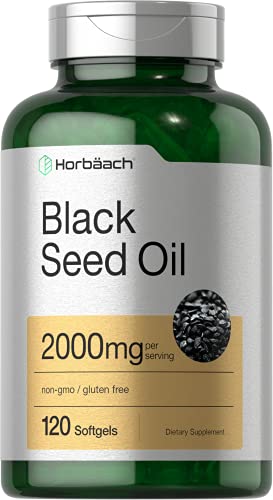
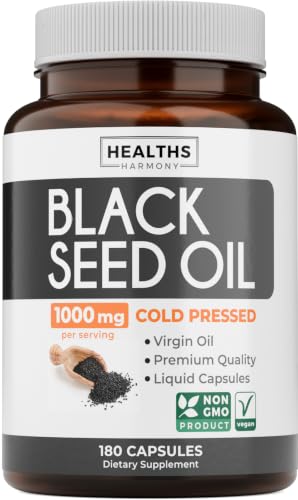
🛒 Where to Buy Black Seed Oil (Nigella sativa)
- CleanseParasites Intra-Cellular Superfood Editor’s Pick
Contains black cumin seed alongside sea moss, bladderwrack, and other superfood ingredients. - Amazing Herbs Premium Black Seed Oil
liquid, 8 fl oz glass bottle — cold-pressed black seed (Nigella sativa) oil - Sweet Sunnah Premium Black Seed Oil
liquid, 16 oz bottle — cold-pressed Nigella sativa, larger-format liquid option - Heritage Store Organic Black Seed Oil
liquid, 8 fl oz — Organic, cold-pressed - Amazing Herbs Premium Black Seed Oil Softgels
softgels, 1250 mg, 60 count — capsule form of the same cold-pressed oil
As an Amazon Associate we earn from qualifying purchases. Quality varies widely — always choose a product with a published third-party test (COA) before buying.
A Note on the Evidence
This article is informational, not medical advice; the underlying evidence is limited to one small study on subjective feeling in allergic patients, not objective allergy or asthma control. Black seed oil is not FDA-evaluated, can interact with anticoagulants, antiplatelets, and blood pressure medications, and should be avoided or used only under medical supervision during pregnancy, before surgery, or alongside diabetes or blood pressure drugs, consult a doctor before use, especially if you have asthma.
Frequently Asked Questions
Does black seed oil cure allergies or asthma?
No. There is no evidence supporting a cure. The available human data is limited to a study on subjective feeling in allergic patients [1], which does not establish a cure or reliable disease control.
Can black seed oil replace my asthma inhaler?
No, it should not replace prescribed asthma medication. Asthma requires objective monitoring and proven treatments, and stopping or reducing prescribed medication without medical guidance can be dangerous.
What did the main study on black seed oil and allergies actually measure?
It assessed subjective feeling in patients with allergic diseases after Nigella sativa use [1], a self-reported outcome rather than an objective clinical measurement like lung function or allergy severity scoring.
Is black seed oil safe to take with allergy or asthma medications?
It may not be safe for everyone. Black seed oil can potentiate anticoagulants, antiplatelets, and blood pressure medications, so anyone on these should consult a doctor before use.
Who should avoid black seed oil?
People who are pregnant, scheduled for surgery, or taking diabetes or blood pressure medications should avoid it or use it only under medical supervision, given its potential to interact with these conditions and drugs.
Is there research specifically on black seed oil and asthma exacerbations?
Yes, though not on exacerbations specifically. The Kalus trial discussed above addressed allergic disease and subjective feeling rather than asthma outcomes [1], but asthma has since been tested directly. A randomized, double-blind, placebo-controlled trial in 80 adults with asthma measured Asthma Control Test score, pulmonary function, blood eosinophils and total serum IgE, and reported better asthma control and lower eosinophils than placebo, with the change in FEV1 not reaching statistical significance [2]. A 2020 meta-analysis of four randomized controlled trials found a similar improvement in asthma control [3]. No published trial has used exacerbation frequency as its endpoint, and these studies are small and short, so this is supportive early evidence rather than a reason to change asthma treatment.
References
- Kalus U et al. Effect of Nigella sativa (black seed) on subjective feeling in patients with allergic diseases. Phytotherapy research : PTR (2003). PMID 14669258
- Koshak A et al. Nigella sativa Supplementation Improves Asthma Control and Biomarkers: A Randomized, Double-Blind, Placebo-Controlled Trial. Phytotherapy research : PTR (2017). PMID 28093815
- He T et al. The influence of Nigella sativa for asthma control: A meta-analysis. The American journal of emergency medicine (2020). PMID 31892440
These statements have not been evaluated by the Food and Drug Administration. This information is not intended to diagnose, treat, cure, or prevent any disease. Content is for informational purposes only and is not medical advice; consult a qualified healthcare provider before starting any supplement. As an Amazon Associate we earn from qualifying purchases.