Black seed oil, pressed from the seeds of Nigella sativa, has drawn interest for its concentration of thymoquinone, a compound studied for antioxidant, anti-inflammatory, and immune-modulating activity. Capsules have become a popular format because they sidestep the oil’s strong, bitter taste and offer a fixed amount per dose, which appeals to people who want consistency without measuring liquid oil each day.
This guide focuses on what actually distinguishes one capsule product from another: thymoquinone standardization, extraction method, third-party testing, and dosing transparency. Clinical trials study Nigella sativa oil or thymoquinone itself, not specific consumer capsule brands, so this guide does not rank products on trial outcomes. What follows is a framework for evaluating products, not a ranked list of brand names or a substitute for advice from a physician or pharmacist.
Key Takeaways
- Capsules trade taste and dosing convenience for the ability to precisely measure oil volume yourself, as you can with liquid oil.
- Look for labels that disclose thymoquinone content or percentage, not just total oil weight[1].
- Cold-pressed extraction and an accessible, batch-specific Certificate of Analysis are stronger quality signals than marketing claims alone.
- Capsule shell material (gelatin vs. vegetarian HPMC) matters for dietary restrictions, not efficacy.
- No dose of black seed oil is FDA-evaluated for safety or effectiveness; treat any capsule product as a supplement, not a treatment.
Why Capsules Appeal for Convenient Dosing
The main practical advantage of capsules over raw oil is dose consistency. A softgel manufactured to a fixed fill weight delivers roughly the same amount of oil every time, whereas a spoon or dropper of liquid oil is subject to human measurement error. For people trying to maintain a steady daily intake over weeks or months, that consistency matters more than it might seem.
Capsules also mask the flavor and smell of the oil, which many people find sharp or peppery. This is a preference and convenience issue rather than a safety or efficacy one, but it is often the deciding factor for people who tried the liquid oil and stopped using it because of taste.
Thymoquinone Content and Standardization
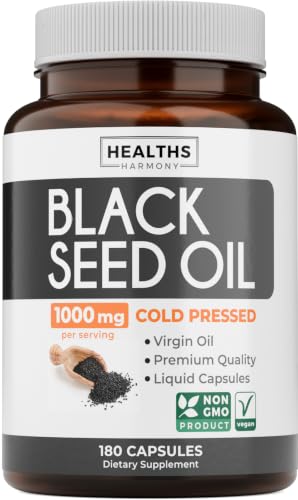
Thymoquinone is the most-studied active constituent in Nigella sativa seed oil[2], and its concentration varies significantly by seed source, growing conditions, and extraction method[1]. Some capsule products list a standardized thymoquinone percentage or milligram amount on the label; others simply state a total oil volume (for example, 500 mg or 1000 mg of oil) without specifying the thymoquinone fraction inside it.

A product that discloses thymoquinone content, ideally verified by an independent lab, gives you more useful information than one that only lists total oil weight. Without that disclosure, two capsules labeled ‘1000 mg black seed oil’ from different manufacturers could contain meaningfully different amounts of the compound most associated with the oil’s proposed effects.
Extraction Method: Cold-Pressed vs. Other Processes
Cold-pressed extraction, done without added heat, is generally considered better for preserving volatile compounds like thymoquinone compared to heat- or solvent-based extraction. Labels that specify ‘cold-pressed’ or ‘first press’ are giving you more transparency about how the oil was produced, though this alone does not guarantee potency without accompanying lab verification.
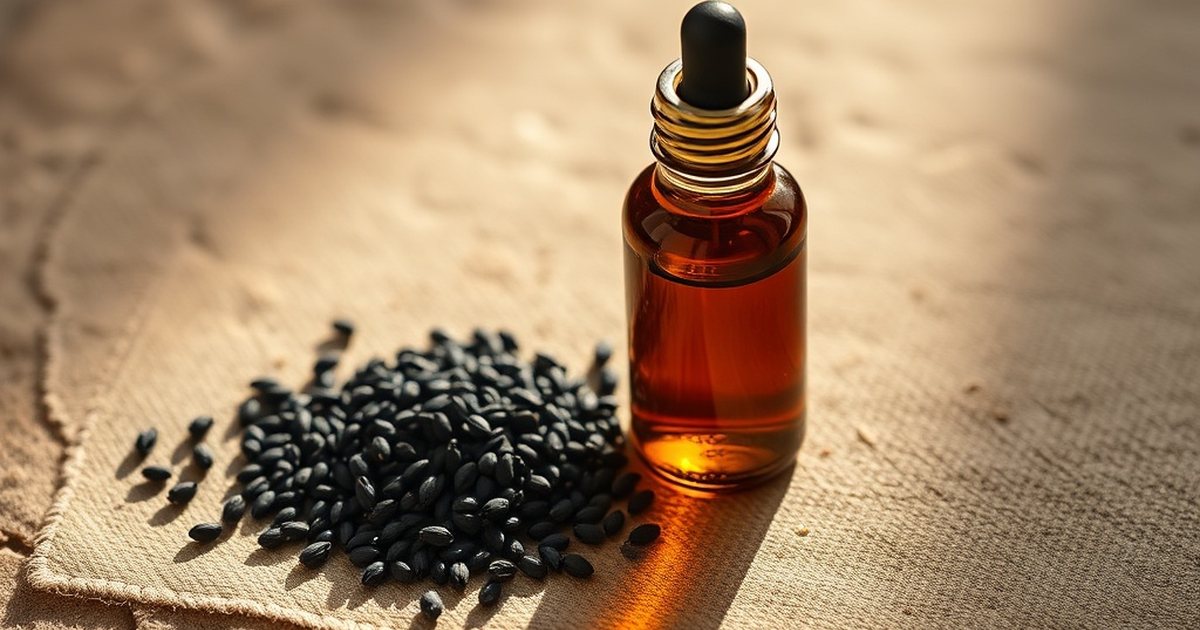
Solvent extraction (commonly hexane) can leave trace residues if not properly purified, and some manufacturers do not disclose their extraction method at all. When a label is silent on extraction method, that silence is itself useful information: it tells you the manufacturer isn’t prioritizing this detail in their marketing, which may or may not reflect their actual manufacturing standards.
Third-Party Testing and Purity
Because dietary supplements are not pre-approved by the FDA for safety or efficacy before sale, third-party testing (from organizations such as NSF, USP, or independent ISO-certified labs) is one of the few external checks available to a consumer. Look for a Certificate of Analysis (CoA) that verifies thymoquinone content, checks for heavy metals, and screens for microbial contamination.
A CoA that’s actually accessible, either printed on the package via QR code or posted on the company’s website tied to a specific batch or lot number, is a stronger signal than a general claim of ‘third-party tested’ with no documentation attached.

Softgel Composition and Fillers
Some capsules use a gelatin (often bovine or fish-derived) shell, while others use a plant-based vegetarian capsule (commonly HPMC, hydroxypropyl methylcellulose). This matters for dietary restrictions (halal, kosher, vegan, or vegetarian preferences) and is worth checking if it applies to you.
Fillers and carrier oils are sometimes added to soften the black seed oil[3] or improve capsule fill consistency. Check the ‘other ingredients’ section of the label, not just the front panel, to see whether the product is pure black seed oil or a diluted blend.
Reading the Label: Serving Size and Daily Dose
Labels typically state a serving size (for example, one or two softgels) and the corresponding oil content per serving. Because there is no established, universally agreed-upon therapeutic dose for black seed oil in humans, comparing products by their per-capsule oil content and any stated thymoquinone amount is more informative than comparing price per bottle.
If you are combining black seed oil with other supplements or medications, calculate your actual daily thymoquinone or oil intake across all sources rather than assuming a single product’s label reflects your total exposure.
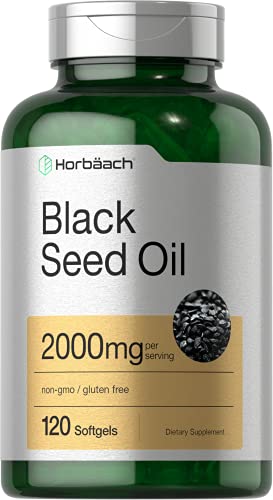
🛒 Where to Buy Black Seed Oil (Nigella sativa)
- CleanseParasites Intra-Cellular Superfood Editor’s Pick
Contains black cumin seed alongside sea moss, bladderwrack, and other superfood ingredients. - Amazing Herbs Premium Black Seed Oil
liquid, 8 fl oz glass bottle — cold-pressed black seed (Nigella sativa) oil - Sweet Sunnah Premium Black Seed Oil
liquid, 16 oz bottle — cold-pressed Nigella sativa, larger-format liquid option - Heritage Store Organic Black Seed Oil
liquid, 8 fl oz — Organic, cold-pressed - Amazing Herbs Premium Black Seed Oil Softgels
softgels, 1250 mg, 60 count — capsule form of the same cold-pressed oil
As an Amazon Associate we earn from qualifying purchases. Quality varies widely — always choose a product with a published third-party test (COA) before buying.
A Note on the Evidence
This article is informational, not medical advice, and does not cite specific clinical research on capsule formulations because no verified study data was available for this piece. Black seed oil is not evaluated by the FDA for safety or efficacy, can interact with anticoagulant, antiplatelet, and blood-pressure medications, and should be avoided or used only under medical supervision during pregnancy, before surgery, or alongside diabetes or blood pressure drugs; consult a doctor before starting.
Frequently Asked Questions
Are black seed oil capsules as effective as liquid oil?
There is no verified research comparing capsule versus liquid formats directly for effectiveness. In theory, a well-standardized capsule delivers a more consistent dose than self-measured liquid oil, but this is a reasoning point, not a tested finding.
How much thymoquinone should I look for on a label?
There is no established optimal or minimum thymoquinone dose in humans based on verified evidence, so no specific number can be recommended here. What matters is that the label discloses it at all, which lets you compare products consistently.
Can I take black seed oil capsules with blood pressure or blood-thinning medication?
Black seed oil may potentiate the effects of anticoagulants, antiplatelet drugs, and blood-pressure medications, so this combination should only be done under a doctor’s supervision. Do not adjust or add to an existing medication regimen without medical guidance.
Is it safe to take black seed oil capsules during pregnancy?
Black seed oil should be avoided during pregnancy or used only under direct medical supervision, given the lack of robust safety data in pregnant populations. Speak with an obstetrician before considering it.
Should I stop taking black seed oil before surgery?
Because of its potential effects on blood clotting, it is generally advised to stop black seed oil supplementation before surgery and discuss timing with your surgeon or anesthesiologist. Follow your surgical team’s specific pre-operative instructions.
Does a higher price mean a better black seed oil capsule?
Price does not reliably indicate thymoquinone content, extraction quality, or purity. A transparent label with third-party testing is a better indicator of quality than price point alone.
References
- Singhal R, Verma S, Singh V et al. Phytochemical investigation of Nigella sativa seed extract by HPTLC, HPLC and GC-MS: a comparative geographical study. Natural product research (2025). PMID 38684035
- Hannan MA, Rahman MA, Sohag AAM et al. Black Cumin (Nigella sativa L.): A Comprehensive Review on Phytochemistry, Health Benefits, Molecular Pharmacology, and Safety. Nutrients (2021). PMID 34073784
- Sumara A, Stachniuk A, Trzpil A et al. LC-MS Metabolomic Profiling of Five Types of Unrefined, Cold-Pressed Seed Oils to Identify Markers to Determine Oil Authenticity and to Test for Oil Adulteration. Molecules (Basel, Switzerland) (2023). PMID 37375308
These statements have not been evaluated by the Food and Drug Administration. This information is not intended to diagnose, treat, cure, or prevent any disease. Content is for informational purposes only and is not medical advice; consult a qualified healthcare provider before starting any supplement. As an Amazon Associate we earn from qualifying purchases.