Black seed oil, pressed from the seeds of Nigella sativa, has become one of the more heavily marketed botanical supplements, with brands making a wide range of claims about immunity, inflammation, skin, and metabolic health. The oil’s primary active compound, thymoquinone, has been studied for antioxidant, anti-inflammatory, and immunomodulatory properties, but the strength of that research varies enormously and does not automatically translate into strong evidence for any specific bottled product.
Because black seed oil is not evaluated by the FDA for safety or efficacy, and because thymoquinone content can vary widely between brands and even between batches, choosing a product well matters more than it does for many supplements. This guide focuses on what to actually look for, extraction method, testing transparency, dosing clarity, and how those factors relate (or don’t) to the underlying research, rather than ranking specific commercial products.
Key Takeaways
- Cold-pressed extraction and disclosed thymoquinone content are the two biggest quality signals[1] on a black seed oil label.
- Independent third-party testing for heavy metals and contaminants matters more here than for many supplements, since black seed oil is not FDA-evaluated for safety or efficacy.
- Capsules and liquid oil deliver the same active compound; choice is a matter of taste, convenience, and oxidation protection, not efficacy.
- Be skeptical of any brand making disease-cure claims or omitting sourcing, extraction, and testing information.
- Ask a manufacturer directly for a certificate of analysis if one isn’t posted publicly.
What Black Seed Oil Is and Why Sourcing Matters
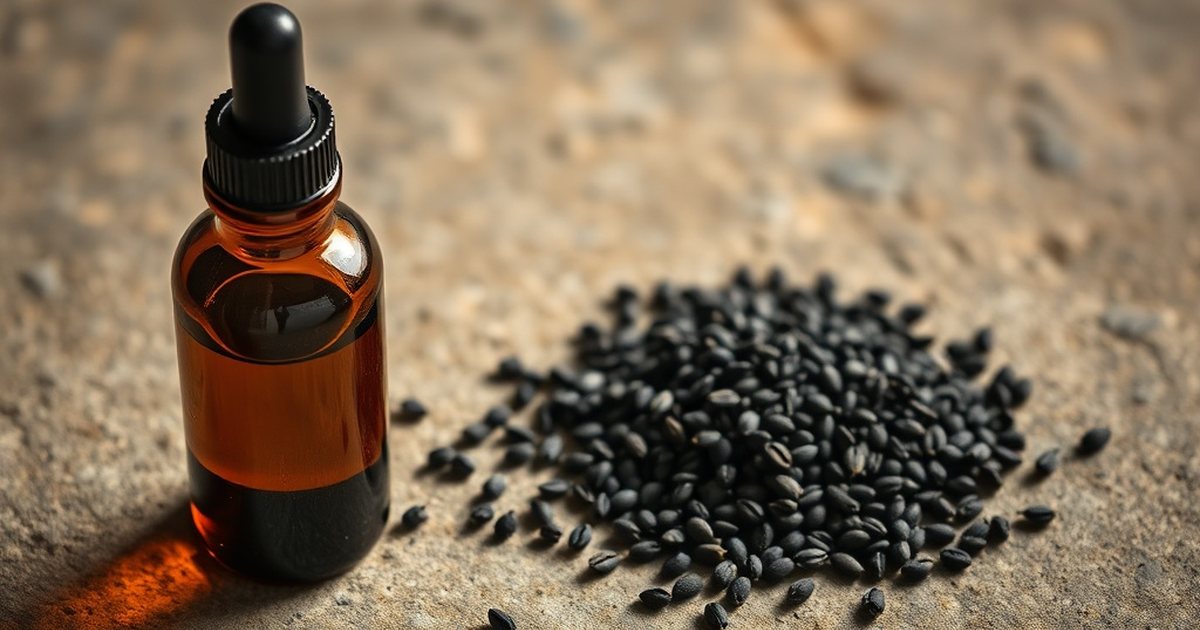
Black seed oil is the cold-pressed oil of Nigella sativa seeds. Cold-pressing, as opposed to solvent extraction or heat-based processing, is generally preferred because excessive heat can degrade thymoquinone, the compound most human and preclinical research has focused on. A brand’s extraction method is usually disclosed on the label or the company’s site, and ‘cold-pressed’ or ‘first cold-pressed’ is a reasonable baseline to look for.
Seed origin also affects oil composition. Nigella sativa grown in different regions can vary in thymoquinone concentration[1], and reputable brands will often disclose sourcing country and sometimes provide a certificate of analysis (COA) showing actual thymoquinone content per batch, rather than just listing the ingredient.
Reading a Label: Thymoquinone Content and Standardization
Many black seed oil products list only ‘black cumin seed oil’ with no indication of thymoquinone percentage. Some brands standardize their oil to a minimum thymoquinone content (commonly reported in a range depending on extraction and seed source), which allows for more consistent dosing between bottles and batches. A product listing a specific thymoquinone percentage or milligram amount per serving, backed by a COA, gives more information than one that simply lists ‘black seed oil’ as an ingredient.

Absent that information, there is no way to know how much active compound a given serving actually delivers, which matters because most of the research on thymoquinone’s proposed mechanisms used defined doses that may not correspond to what an unstandardized commercial oil provides.
Third-Party Testing and Purity
Because black seed oil supplements are not FDA-evaluated for purity or potency, third-party testing is one of the more meaningful differentiators between brands. Look for testing for heavy metals, pesticide residues, and microbial contamination, ideally from an independent lab (not just an internal quality control claim), with results or a COA available on request or posted online.
USP, NSF, or ConsumerLab verification marks, where present, indicate an outside body has checked label accuracy and contaminant levels, though the absence of such a mark does not necessarily mean a product is unsafe, many smaller producers simply haven’t pursued formal certification.
Capsules vs. Liquid Oil
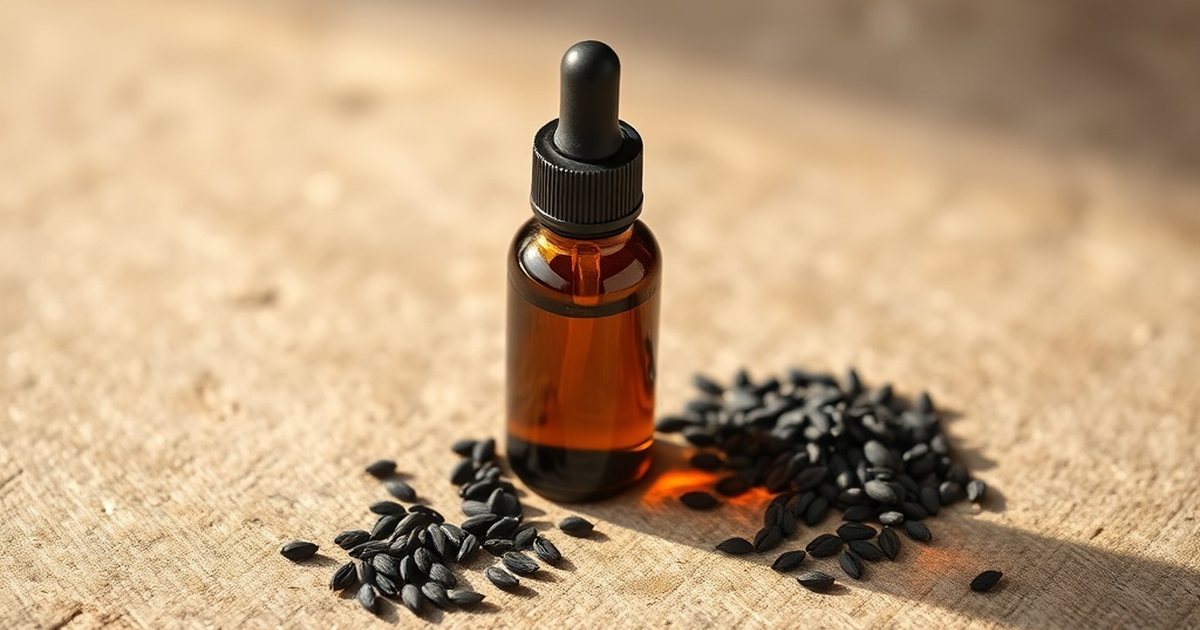
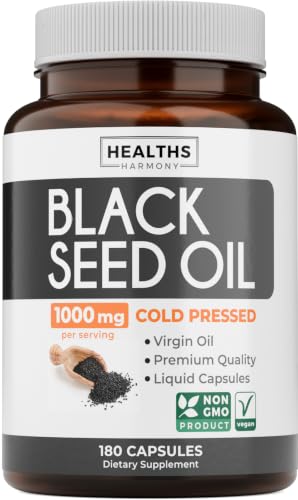
Black seed oil is sold both as liquid oil and as softgel capsules. Liquid oil allows more flexible dosing and is generally cheaper per serving, but it oxidizes faster once opened[2] and has a strong, bitter taste that some people find unpalatable. Capsules mask the taste and are more portable, but the exact oil volume per capsule is fixed and typically smaller than a liquid dose, and capsule shells add a small amount of other ingredients (usually gelatin or a plant-based alternative).
Neither format is inherently superior from an evidence standpoint since the oil itself is the same; the choice mostly comes down to taste tolerance, convenience, and how carefully the brand protects the oil from oxidation (dark glass bottles, nitrogen-flushed capsules) before it reaches the consumer.

Red Flags to Watch For
Be cautious of brands that make direct disease-treatment or cure claims (for cancer, diabetes, COVID-19, or similar), since these claims are not supported by the current evidence and are themselves a regulatory red flag. Also be wary of vague sourcing (‘premium seeds’ with no country of origin), missing extraction method, no batch testing information, and pricing that is far below market rate for cold-pressed oil, which can indicate dilution with cheaper oils or heat-processed extraction sold as cold-pressed.
A trustworthy brand will generally be specific and consistent: naming the extraction method, disclosing or offering a COA, giving a clear serving size, and making measured statements about traditional use or preliminary research rather than guarantees.
How to Evaluate Any Specific Bottle Yourself
A practical checklist before buying: (1) Is the extraction method (cold-pressed) stated? (2) Is thymoquinone content specified or a COA available? (3) Is there independent third-party testing for contaminants? (4) Is the seed origin disclosed? (5) Are the health claims measured rather than absolute? Running any candidate product through these five questions will tell you more about its quality than star ratings or marketing copy.
It’s also reasonable to contact a company directly and ask for their most recent certificate of analysis, a legitimate manufacturer should be able to provide one without difficulty.
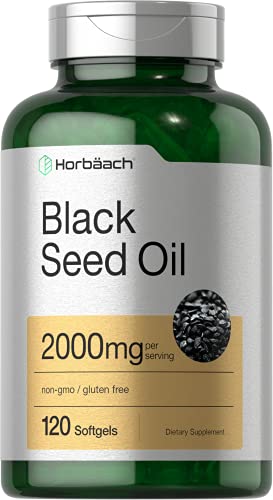
🛒 Where to Buy Black Seed Oil (Nigella sativa)
- CleanseParasites Intra-Cellular Superfood Editor’s Pick
Contains black cumin seed alongside sea moss, bladderwrack, and other superfood ingredients. - Amazing Herbs Premium Black Seed Oil
liquid, 8 fl oz glass bottle — cold-pressed black seed (Nigella sativa) oil - Sweet Sunnah Premium Black Seed Oil
liquid, 16 oz bottle — cold-pressed Nigella sativa, larger-format liquid option - Heritage Store Organic Black Seed Oil
liquid, 8 fl oz — Organic, cold-pressed - Amazing Herbs Premium Black Seed Oil Softgels
softgels, 1250 mg, 60 count — capsule form of the same cold-pressed oil
As an Amazon Associate we earn from qualifying purchases. Quality varies widely — always choose a product with a published third-party test (COA) before buying.
A Note on the Evidence
Human evidence on black seed oil remains limited to small or short-duration trials[3], and none of the sourcing or quality factors described here have themselves been clinically validated to improve outcomes. Black seed oil can potentiate anticoagulants, antiplatelets, and blood-pressure medications, and should be avoided or used only under medical supervision during pregnancy, before surgery, or alongside diabetes or blood pressure medications; this article is informational, not medical advice.
Frequently Asked Questions
Is there a single 'best' black seed oil brand?
No single brand can be recommended as best based on the available evidence, since head-to-head brand comparisons haven’t been studied. Evaluate any candidate product against quality markers like extraction method, thymoquinone disclosure, and third-party testing instead.
What thymoquinone percentage should I look for?
There’s no universally agreed ‘ideal’ percentage, and requirements vary by intended use in research settings. What matters practically is that the brand discloses a specific, tested figure rather than leaving it unlisted.
Is liquid oil more potent than capsules?
Not inherently, both come from the same pressed oil. Potency depends on the oil’s actual thymoquinone content and how well it’s been protected from oxidation and heat, not the delivery format.
Can I trust a brand that doesn't publish a certificate of analysis?
It’s a limitation, not necessarily a disqualifier, but a COA is one of the clearest ways to verify what’s actually in the bottle. If one isn’t published, it’s reasonable to ask the company for it directly before buying.
Does organic certification indicate a better product?
Organic certification relates to farming practices (pesticide and fertilizer use) and does not by itself indicate thymoquinone content, extraction quality, or contaminant testing. It can be one positive signal among several, not a substitute for the others.
Should I be suspicious of very cheap black seed oil?
Unusually low pricing relative to typical cold-pressed oil costs can indicate dilution, heat processing mislabeled as cold-pressed, or lower-quality seed sourcing. Price alone isn’t proof of a problem, but it’s worth scrutinizing more closely.
References
- Singhal R, Verma S, Singh V et al. Phytochemical investigation of Nigella sativa seed extract by HPTLC, HPLC and GC-MS: a comparative geographical study. Natural product research (2025). PMID 38684035
- Bordoni L, Fedeli D, Nasuti C et al. Antioxidant and Anti-Inflammatory Properties of Nigella sativa Oil in Human Pre-Adipocytes. Antioxidants (Basel, Switzerland) (2019). PMID 30823525
- Jafari A, Mardani H, Faghfouri AH et al. Does Nigella sativa supplementation improve cardiovascular disease risk factors? A comprehensive GRADE-assessed systematic review and dose-response meta-analysis of 82 randomized controlled trials. Pharmacological research (2025). PMID 40714301
These statements have not been evaluated by the Food and Drug Administration. This information is not intended to diagnose, treat, cure, or prevent any disease. Content is for informational purposes only and is not medical advice; consult a qualified healthcare provider before starting any supplement. As an Amazon Associate we earn from qualifying purchases.