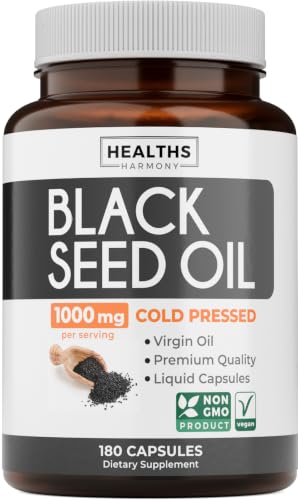
- One published case report describes acute renal failure in a diabetic patient taking Nigella sativa tablets at 2,000 to 2,500mg per day[1], and that report was formally disputed in the same journal the following year[2]
- A documented case report links black seed oil combined with evening primrose oil to severe thrombocytopenia (dangerously low platelet count)[3]
- People on blood thinners or with a history of bleeding issues should avoid black seed oil entirely[4]
- Topical use has caused documented severe allergic contact dermatitis, including from repeated exposure via beard cosmetics[5]
Black cumin seed (Nigella sativa) is marketed heavily for its antioxidant and immune-support properties. Most sources describe it as generally well-tolerated, but the documented serious cases here are specific and worth direct treatment rather than being buried under generally favorable framing.
One Contested Case of Kidney Injury
A single case report, published in the Journal of Integrative Medicine in 2013, describes acute renal failure in a diabetic patient who had been taking Nigella sativa tablets at 2,000 to 2,500mg per day[1]. Two details usually get dropped when this figure is repeated, and both change what it means. It is one patient, not a series. And the following year the same journal published a reply arguing that Nigella sativa is a safe herbal product and that the case did not establish the supplement as the cause[2].
So this is an unresolved signal, not a settled dose threshold. It does not show that 2,000mg per day is where harm begins, and it does not certify anything below that as safe. The one documented case occurred in someone with diabetes, which is also the group this supplement is marketed to hardest for blood sugar, so that is the detail worth carrying: if you have diabetes or any existing kidney problem, this is a conversation to have with a doctor rather than a number to dose under.
A Serious Blood Disorder Case
One documented case report describes severe thrombocytopenia, a dangerously low platelet count, associated with the combination of black seed oil and evening primrose oil[3]. This combination-specific finding is worth knowing directly if you’re considering stacking either of these supplements with the other.
Bleeding Risk Warning
Potential side effects include rash, abdominal pain, and bleeding, with the standard advice to discontinue immediately if any of these appear[4]. People taking blood thinners or with a history of bleeding issues are specifically advised to avoid black seed oil altogether[4].
Common, Milder Side Effects
Black seed is generally well tolerated overall, with the most likely side effects being gastrointestinal upset with oral use and dermatitis with topical use[4]. Both are covered at length in black seed oil side effects: what to watch for.
A Documented Allergic Reaction from Repeated Topical Use
One study documented a case of severe allergic contact dermatitis to Nigella sativa seed oil resulting from repeated contact via beard cosmetics[5] — a specific, real-world exposure pattern worth knowing if you use black seed oil in grooming products rather than as an oral supplement.
Managing a Reaction
If hypoglycemia occurs, quick-acting sugary food or drink can help correct it; if side effects are severe, such as bleeding, emergency medical attention should be sought[4].

The Balancing Perspective
To be fair, most of the available research characterizes black seed favorably, with its antioxidant properties drawing significant interest as a supplement with generally minimal side effects[4]. It’s worth noting this favorable picture is based more on clinical and pharmacological literature than on dedicated consumer-review complaint threads, which were notably sparse in the available research. Product quality also varies between brands, which is why it helps to know how to read a black seed oil label.
FAQ
Can black cumin seed cause kidney damage?
One case report describes acute renal failure in a diabetic patient taking 2,000 to 2,500mg/day of Nigella sativa tablets[1], and a reply published in the same journal disputed that it showed the supplement caused it[2]. A single contested case is not a proven dose threshold, so it is also not evidence that staying below 2,000mg/day is safe. If you have diabetes or existing kidney disease, ask a doctor before using it.
Is black seed oil safe with blood thinners?
No — it should be avoided by anyone on blood thinners or with a history of bleeding issues[4].
Can black seed oil cause skin reactions?
Yes, documented cases of severe allergic contact dermatitis have occurred, particularly with repeated topical exposure[5].
References
- Arslan E et al. A case study report of acute renal failure associated with Nigella sativa in a diabetic patient. Journal of Integrative Medicine (2013). PMID 23464648
- Bamosa A. Nigella sativa is a safe herbal product. Journal of Integrative Medicine (2014). PMID 24461597
- Severe Thrombocytopenia Associated With Black Seed Oil and Evening Primrose Oil. Cureus (2020). PMID 32637272
- SingleCare / WebMD. Black seed oil side effects: What to expect. www.singlecare.com/blog/black-seed-oil-side-e…
- Severe allergic contact connubial dermatitis to Nigella Sativa Seed Oil due to repeated contacts to beard cosmetics. Contact Dermatitis (2023). PMID 36494318
These statements have not been evaluated by the Food and Drug Administration. This information is not intended to diagnose, treat, cure, or prevent any disease. Content is for informational purposes only and is not medical advice; consult a qualified healthcare provider before starting any supplement. As an Amazon Associate we earn from qualifying purchases.